In Northwest China, particularly in Shaanxi Province, two noodle dishes stand out for their popularity and unique characteristics: Biang Biang noodles and oil-splashed noodles. Although they originate from the same region and share some basic ingredients, they differ significantly in preparation, texture, flavor, and cultural meaning.
If you’ve ever wondered what is the difference between Biang Biang noodles and oil-splashed noodles, you’re in the right place. Let’s break it down.
Overview: Two Iconic Shaanxi Noodles
Both dishes are staples in Shaanxi cuisine, yet each offers a distinct experience.
Biang Biang noodles are known for their wide, hand-pulled shape and rich broth.
Oil-splashed noodles focus on the sizzling oil poured over seasonings, creating a simple but aromatic dish.
Understanding the difference between Biang Biang noodles and oil-splashed noodles starts with how they’re made.
Biang Biang Noodles: Bold and Chewy
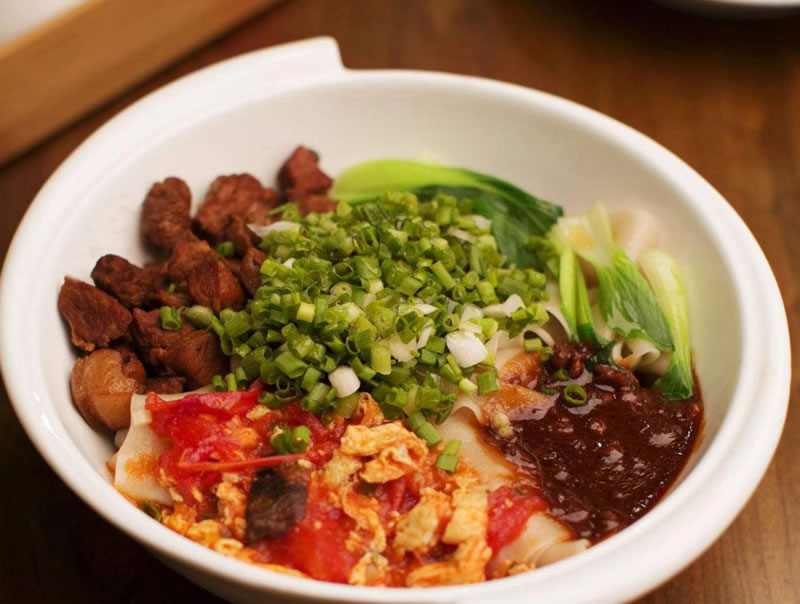
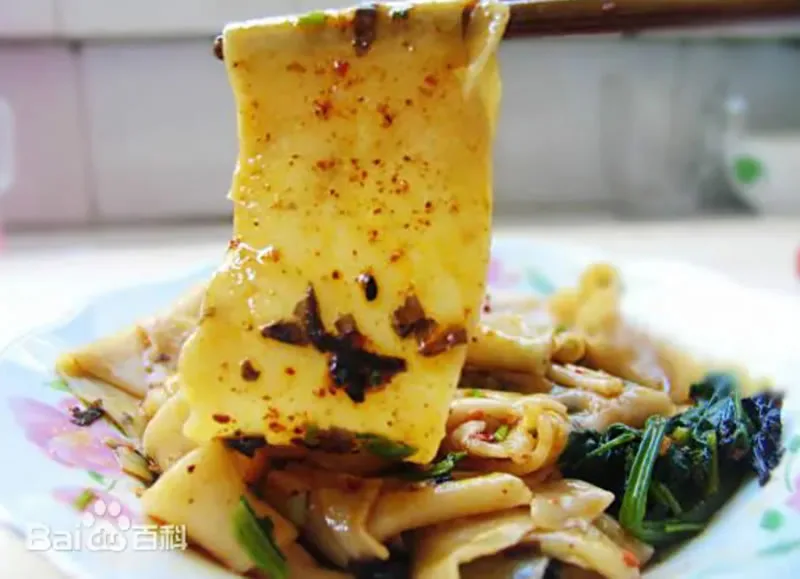
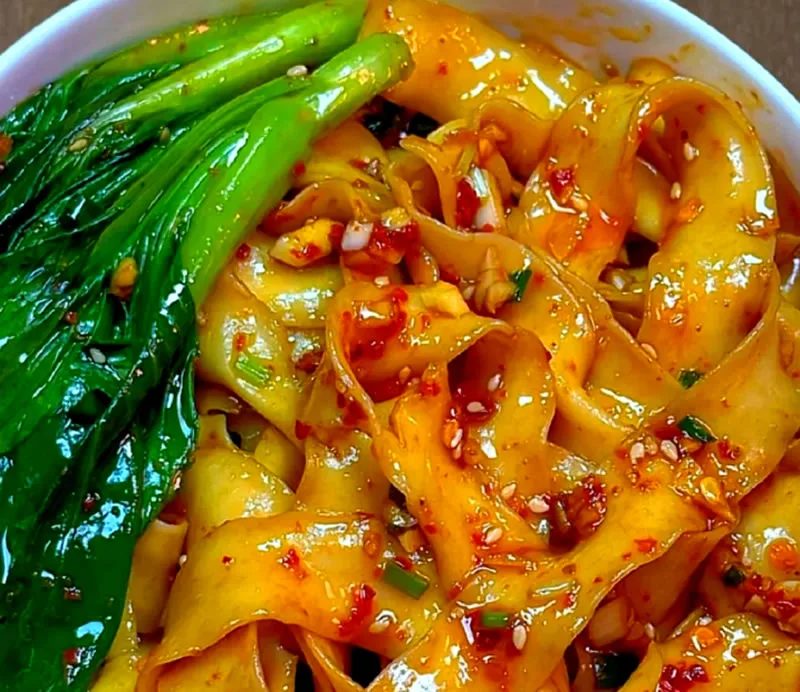
Biang Biang noodles get their name from the sound “biang” made when the dough is stretched and slapped against the counter. These noodles are wide, thick, and hand-pulled, giving them a rustic and chewy texture.
The broth is another highlight—usually made by simmering beef or pork bones with spices, resulting in a deep, savory soup. Toppings often include chopped green onions and soybean sprouts for freshness and crunch.
So, when comparing Biang Biang noodles and oil-splashed noodles, note that Biang Biang noodles are defined by their broad shape, hearty broth, and labor-intensive preparation.
Oil-Splashed Noodles: Simple and Fragrant
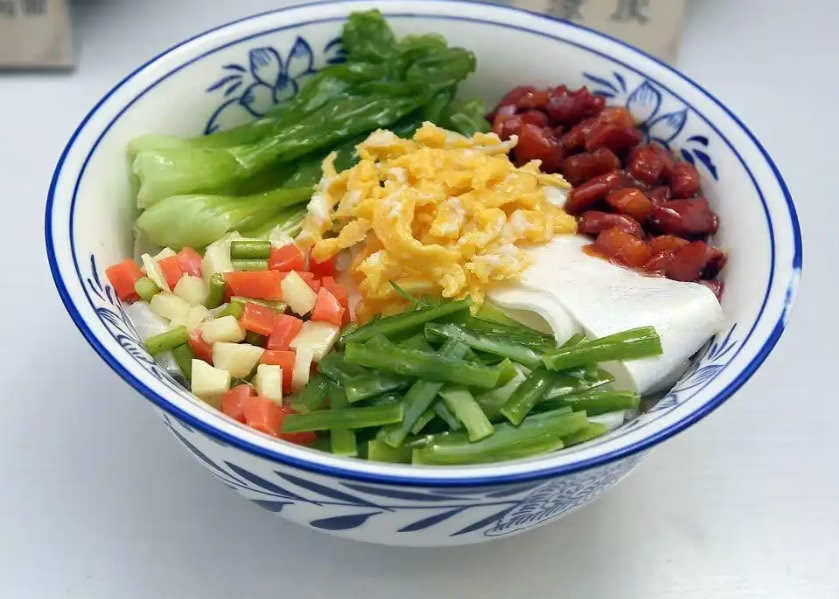
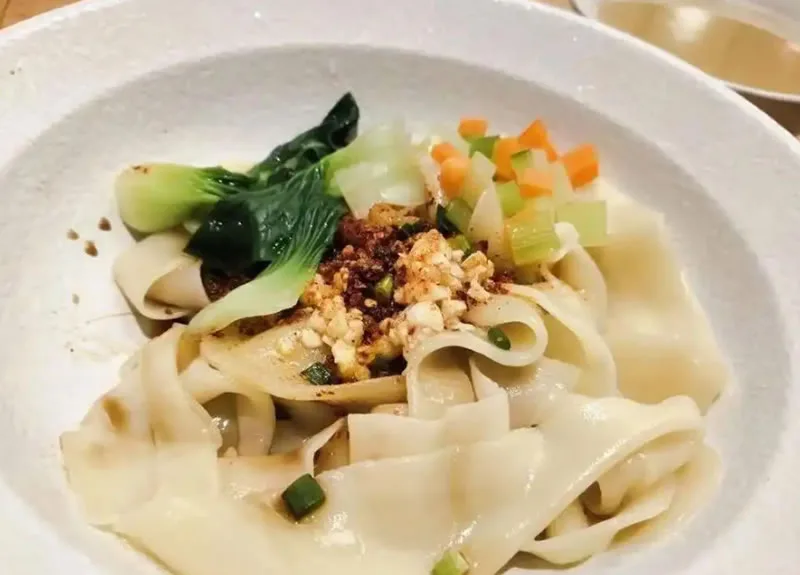
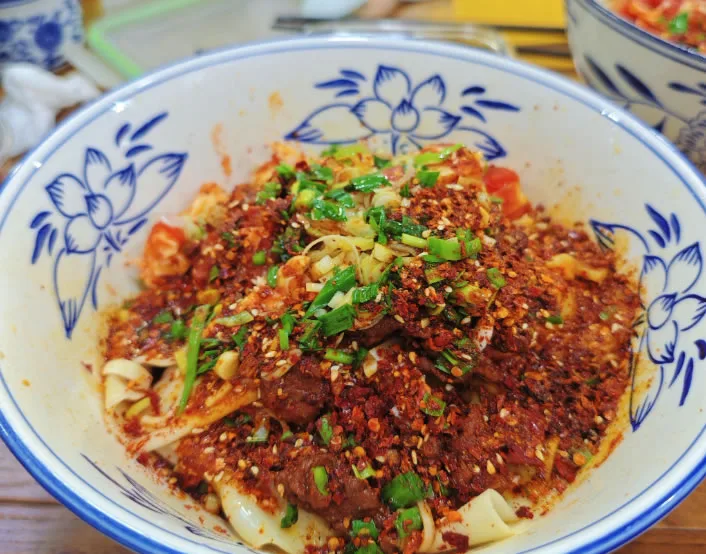
Oil-splashed noodles are simpler in form but bold in aroma. The noodles can be wide or thin, handmade or machine-pressed. After boiling, they are drained and placed in a bowl. The key step is heating oil until it smokes, then pouring it over toppings such as minced garlic, chili flakes, and Sichuan pepper. This process releases an irresistible fragrance.
Finally, garnishes like cilantro and scallions are added for extra flavor and color.
This helps clarify the difference between Biang Biang noodles and oil-splashed noodles: the latter emphasizes the “oil-splashing” technique and dry seasoning mix rather than a broth-based sauce.
Taste and Texture Comparison
When it comes to mouthfeel, Biang Biang noodles and oil-splashed noodles differ noticeably:
Biang Biang noodles are chewy and elastic, served in a rich, multi-layered broth.
Oil-splashed noodles are slippery and glossy from the hot oil, with a sharp, spicy kick from the heated seasonings.
Flavor-wise, Biang Biang noodles offer a complex, slow-cooked depth, while oil-splashed noodles deliver a quick, intense aroma.
Cultural Background
Another difference between Biang Biang noodles and oil-splashed noodles lies in their cultural symbolism.
Biang Biang noodles are seen as bold and rustic, tied to the rugged spirit of Northwest China and Qin culture. They often appear in cultural storytelling.
Oil-splashed noodles reflect simplicity and efficiency—a daily dish loved for its quick preparation and powerful taste, representing the practical side of Shaanxi home cooking.
Conclusion
So, what is the difference between Biang Biang noodles and oil-splashed noodles?
Biang Biang noodles = wide hand-pulled noodles + rich broth + chewy texture
Oil-splashed noodles = varied noodle shape + sizzling oil + dry aromatics
Whether you prefer the hearty, soup-based experience of Biang Biang noodles or the quick, fragrant punch of oil-splashed noodles, both bring a taste of Shaanxi’s vibrant culinary culture to the table.