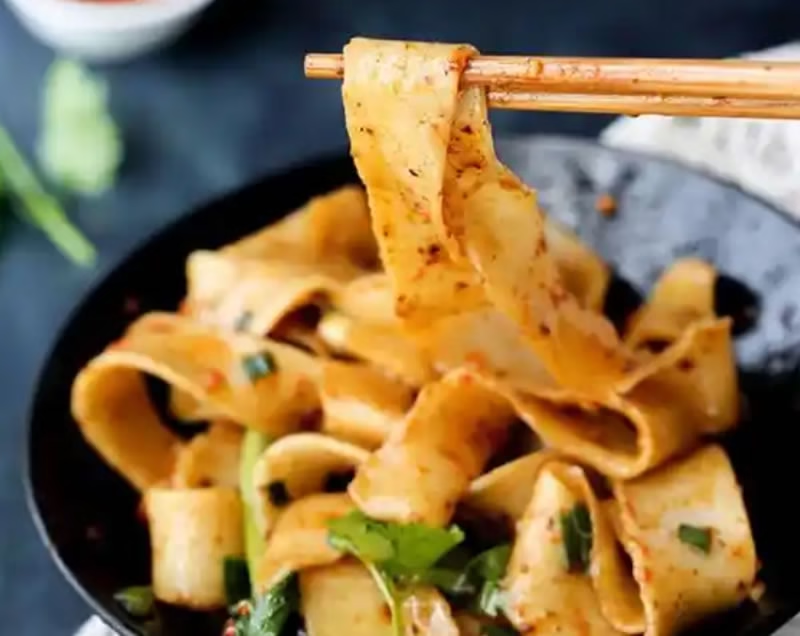
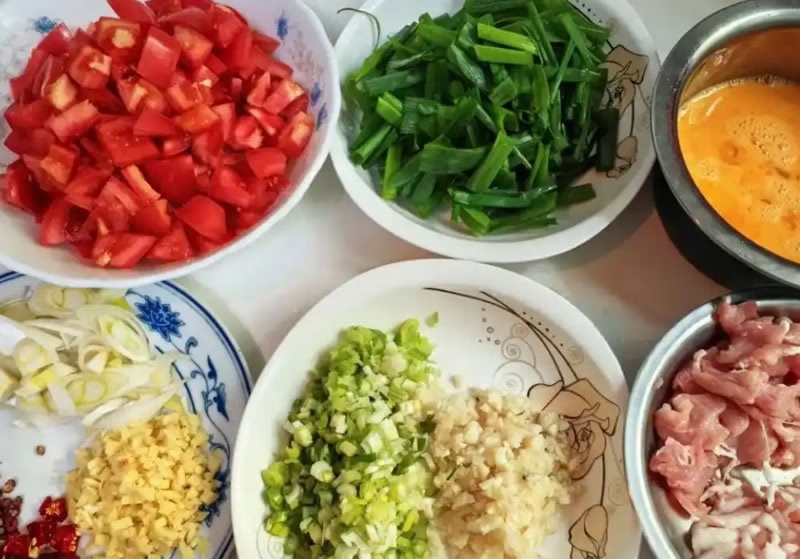
If you’ve ever wondered whether it’s difficult to make Biang Biang noodles at home, you’ll be pleased to know that it’s easier than it looks. While the process may seem intimidating at first, it really comes down to mastering a few key steps and techniques. With a little patience and practice, you can create these wide, chewy, and flavorful noodles right in your own kitchen.
Below, we break down the entire process into easy-to-follow stages so you can see just how approachable homemade Biang Biang noodles can be.
Making the Dough
The foundation of great Biang Biang noodles is the dough. You’ll need:
500g medium-gluten flour
200g water
3g salt
3g yeast (optional, for a slightly softer texture)
Start by mixing the flour and salt. Gradually add water while kneading until a smooth dough forms. Cover it with a damp cloth and let it rest for about 30 minutes. The dough should become soft and elastic.
Next, divide the dough into small portions (around 70–80g each). Lightly brush each piece with oil to prevent drying, and let them rest for another 15 minutes. This relaxing period makes the dough easier to stretch later.
Mastering the Pulling Technique
This is the signature step that gives Biang Biang noodles their name and shape—but don’t worry, it’s more manageable than it appears.
First, roll each portion of dough into a sheet about 3–5mm thick. Use a rolling pin to press a light line down the center—this will help you split the noodles evenly later.
Then, hold both ends of the dough strip with your hands. Gently stretch it while shaking it from side to side. Gradually pull it into a long, wide “belt” shape. You can even lightly slap it against the counter to hear the classic “biang biang” sound! Once stretched, you can tear it along the center mark and drop it directly into boiling water.
Seasoning and Cooking
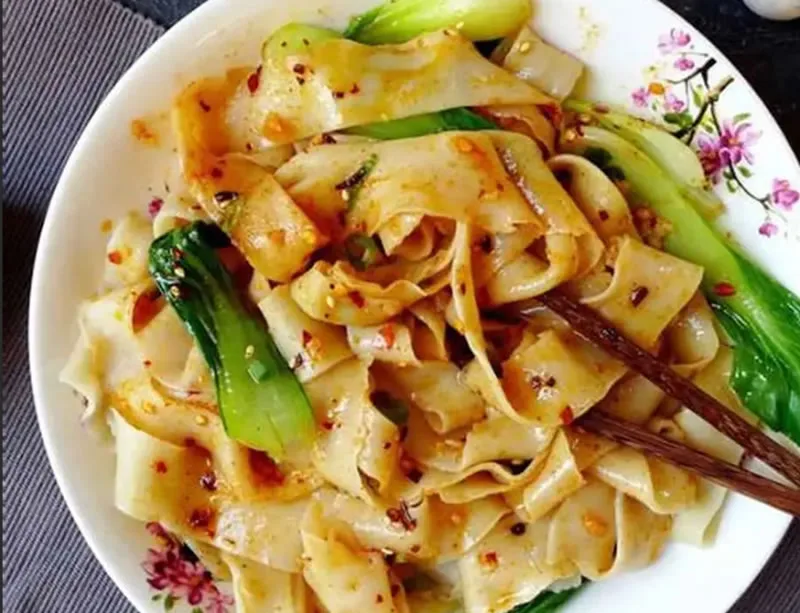
While the noodles cook, prepare the seasonings. A classic combination includes:
Minced garlic
Chili powder
Soy sauce
Vinegar
Sesame paste
Sesame oil
Five-spice powder
For extra flavor, you can also add minced meat or toppings like bok choy.
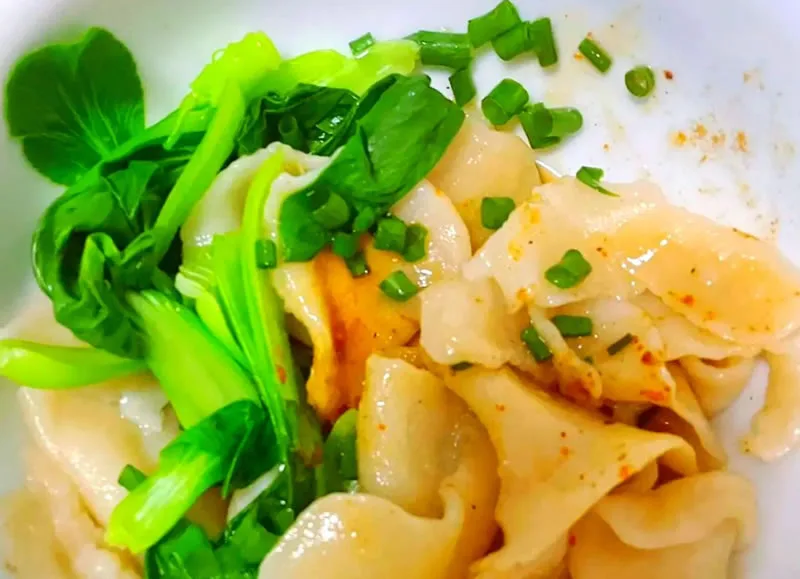
Boil the noodles until they float to the surface—this usually takes just a few minutes. Add bok choy to the pot during the last minute of cooking. Drain everything together.
Helpful Tips for Success
Keep the dough relatively firm, and avoid over-resting it, which can weaken its gluten structure.
Stretch the noodles gently to avoid tearing.
Adjust seasonings to your taste—feel free to modify the amount of chili if you prefer a milder flavor.
So, is it difficult to make Biang Biang noodles at home? Not really—as long as you follow these steps and give yourself room to learn. The result is richly satisfying, chewy, and aromatic noodles that are well worth the effort!