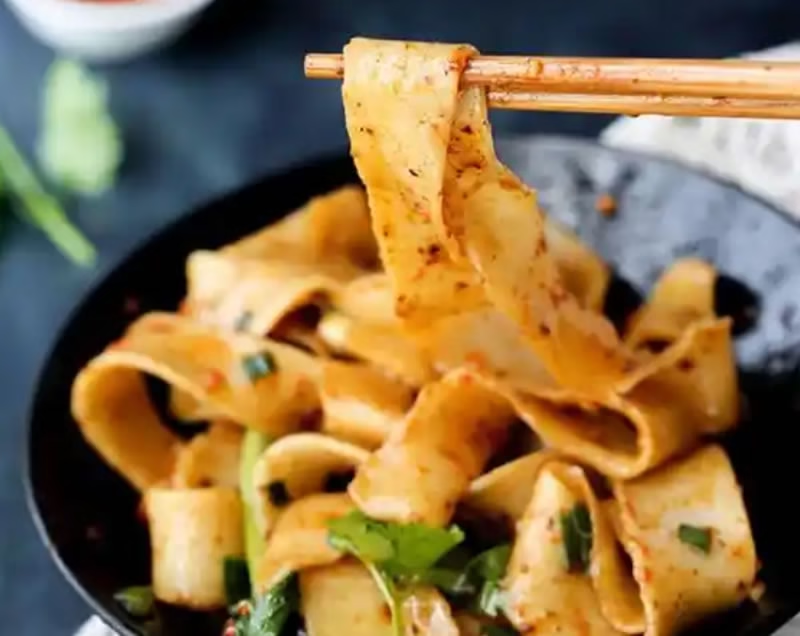
If you’re trying to figure out what kind of flour to use for Biang Biang noodles, you’ve come to the right place. The secret to their chewy, stretchy texture is high-gluten flour. Let’s dive into why it works so well and how you can use it.
The Best Flour for Biang Biang Noodles
So, what kind of flour gives Biang Biang noodles their signature pull-apart texture? The answer is high-gluten flour. Traditionally, this refers to flour milled from high-protein wheat grown in China’s Guanzhong region. This type of flour creates the strong, elastic dough needed for stretching the noodles into long, wide ribbons without tearing.
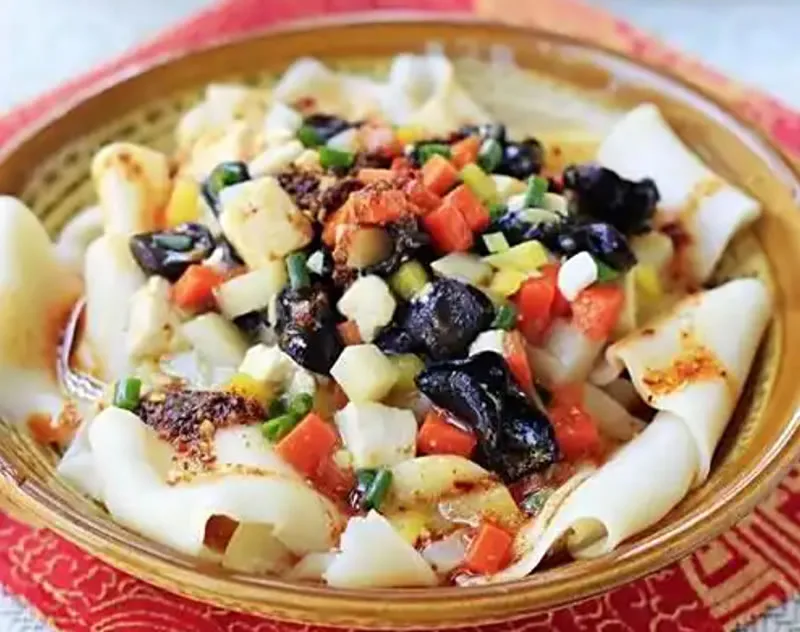
Don’t worry if you can’t find special Chinese flour—bread flour is an excellent substitute because it’s also high in protein. While you can use all-purpose flour in a pinch, your noodles will be softer and less chewy.
How to Make Biang Biang Noodles: Key Steps
Once you have your high-gluten flour, the process is straightforward:
Kneading: Mix the flour with salt and water to form a firm dough. Let it rest to relax the gluten, which makes it much easier to stretch later.
Stretching: This is the fun part! Instead of rolling the dough, you’ll press, pull, and slap it by hand into those characteristic long, wide strips.
Cooking: The noodles cook quickly—just 1-2 minutes in boiling water. For an extra-chewy bite, you can rinse them briefly in cold water after cooking.
Simple Topping Ideas
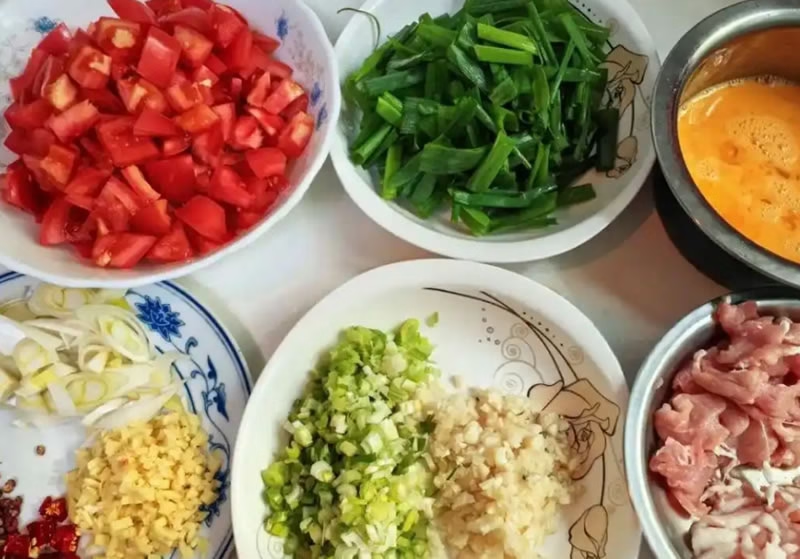
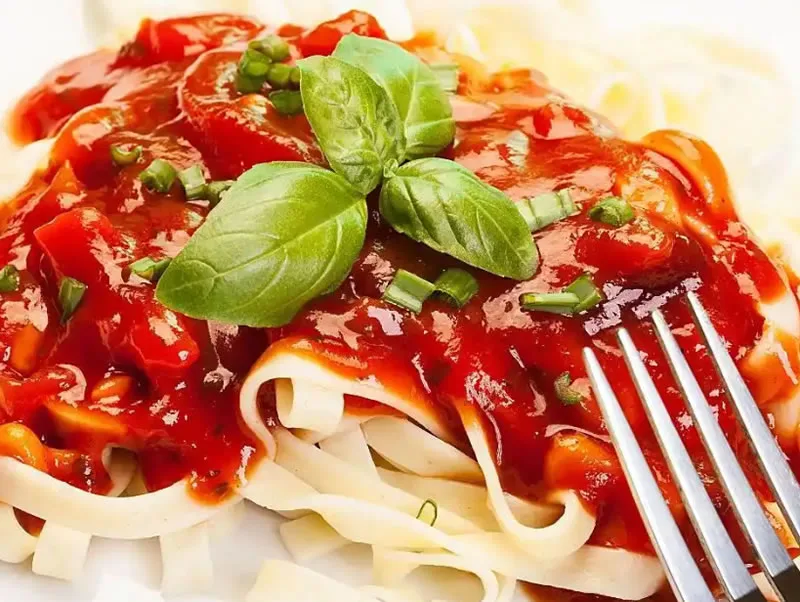
Biang Biang noodles are incredibly versatile. Top them with a savory sauce like soy sauce and chili oil, along with vegetables like bok choy, tomatoes, and green onions. For a non-vegetarian option, thinly sliced pork or beef is a classic addition.
The Bottom Line
When choosing what kind of flour for Biang Biang noodles, high-gluten flour (or bread flour) is the way to go. It provides the necessary structure and chew for authentic-tasting results. Happy cooking!