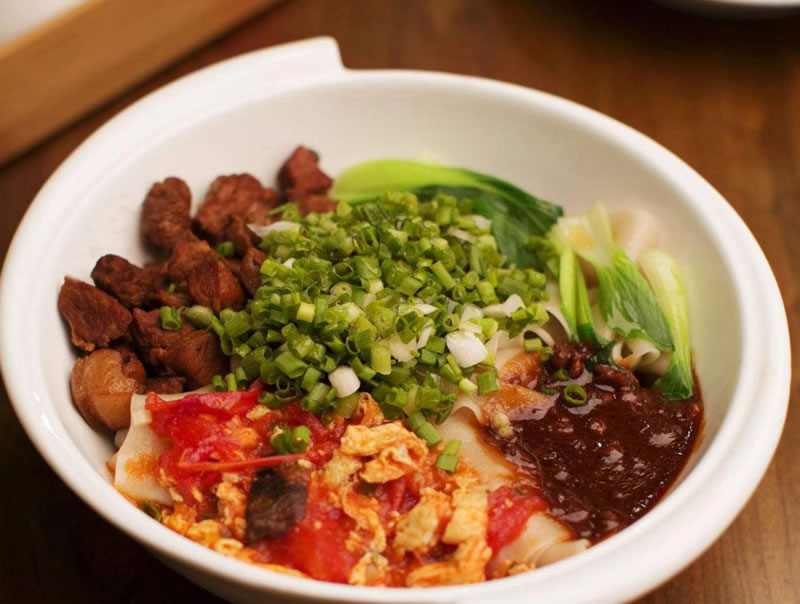
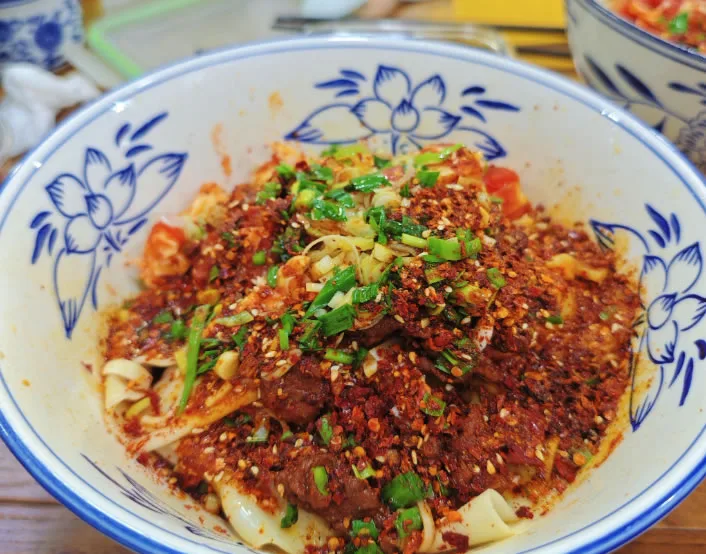
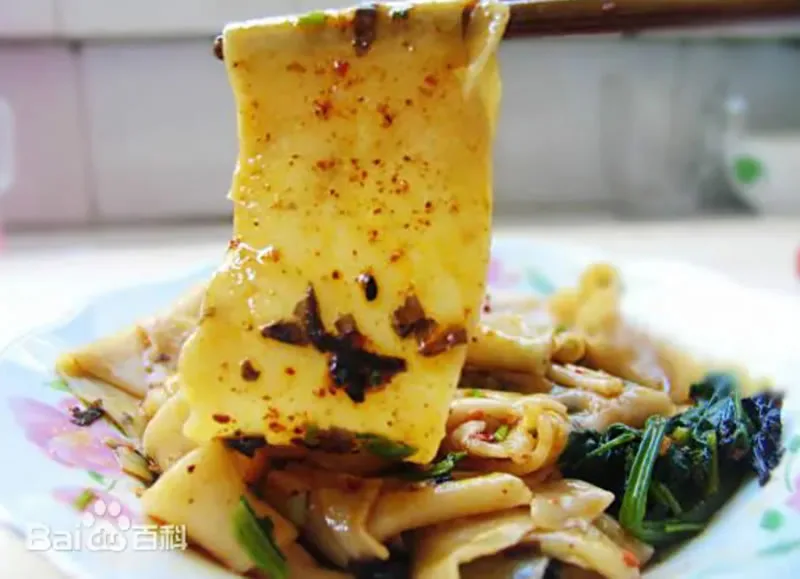
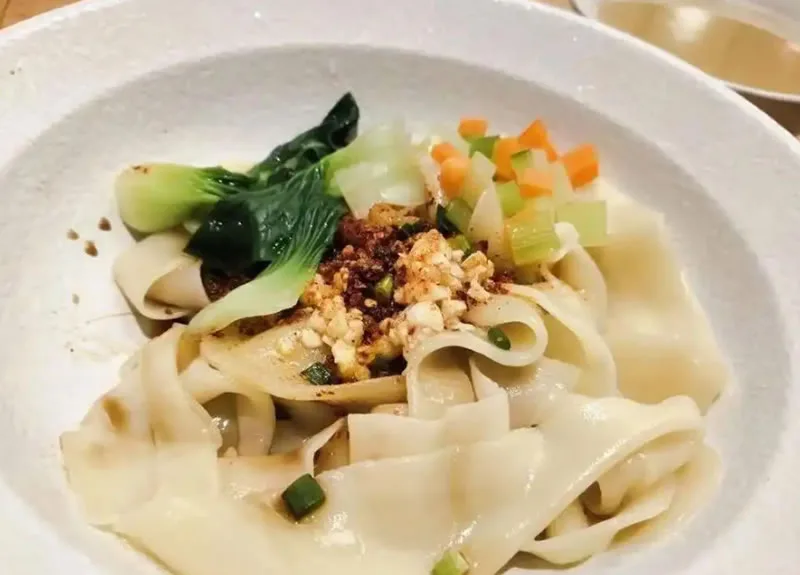
If you’ve ever come across the word “Biang Biang,” you’re probably curious about what it means. This unique term is famous for one thing: a delicious, wide noodle dish from Shaanxi Province. So, what does “Biang Biang” mean in Chinese? The most common explanation is that it’s an onomatopoeia—it represents a sound!
The name comes from the distinctive “biáng” sound the dough makes when it’s slapped and stretched against the counter while being made. It’s a fun, immersive name that perfectly captures the energy of the noodle-making process.

Where Did the Name “Biang Biang” Come From?
The most popular story behind the meaning of “Biang Biang” is directly tied to how the noodles are prepared. They are known for being wide, thick, and chewy. The dramatic process of stretching and slapping the dough onto the table creates a loud “biang!” sound. Repeating this action gives us the repetitive “biang biang!” which naturally became the noodle’s name.
While some scholars have other theories (like suggesting it’s an old word for “cake”), the idea that it mimics the sound of the dough is the most beloved and widely accepted story.
What Are Biang Biang Noodles Like?
Beyond the interesting name, here’s what makes the noodles special:
Craftsmanship: They are handmade and pulled into wide, belt-like ribbons with a chewy texture.
Flavor: They’re typically served with a flavorful combination of chili oil, vinegar, and spices.
Status: These noodles are a signature dish from Shaanxi and are a beloved staple food.
A Quick Note on the “Biang” Character
The Chinese character for “Biang” (biáng) is incredibly complex. It’s so complex that it can’t be typed using standard computer input methods. This is why you’ll often see the noodles written with simpler alternative characters.