If you’re curious about Biang Biang noodles, you’ve probably wondered: what kind of sauce makes them so flavorful?
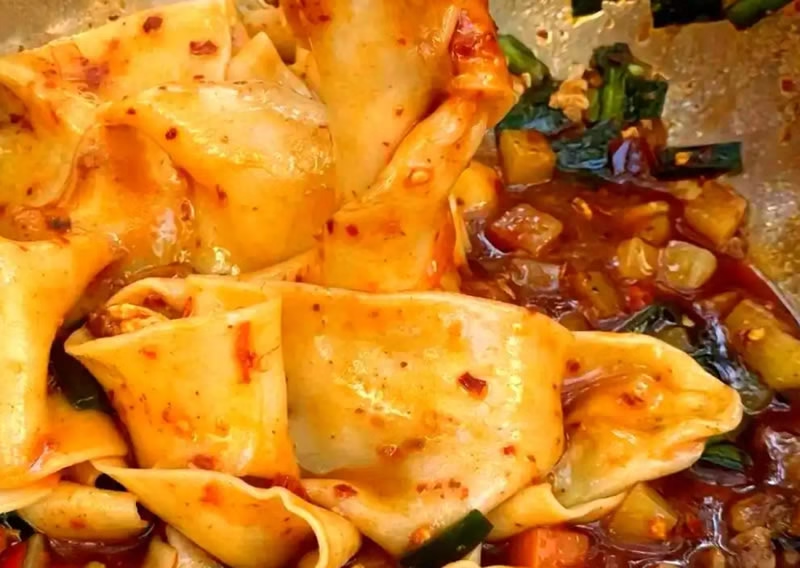
The truth is, there isn’t just one sauce—it’s more about a delicious combination of dressings and toppings that come together to create the final taste. Traditionally, the dish is built around two key elements: the famous oil-splashed chili and various savory toppings known as saozi (or “sauce”).

Let’s break down what usually makes up the sauce on Biang Biang noodles.
The Star of the Show: Oil-Splashed Chili
This method is the heart of the dish. Pouring hot oil over spices is what gives Biang Biang noodles their signature aroma.
Here’s how it’s usually made:
The Seasoning Base: A mix of chili flakes, minced garlic, chopped scallions, salt, and sometimes soy sauce and vinegar is placed in a bowl.
The “Splash”: Oil is heated until it smokes, then poured in batches over the spices. The sizzle releases an amazing fragrance and lightly cooks the ingredients.
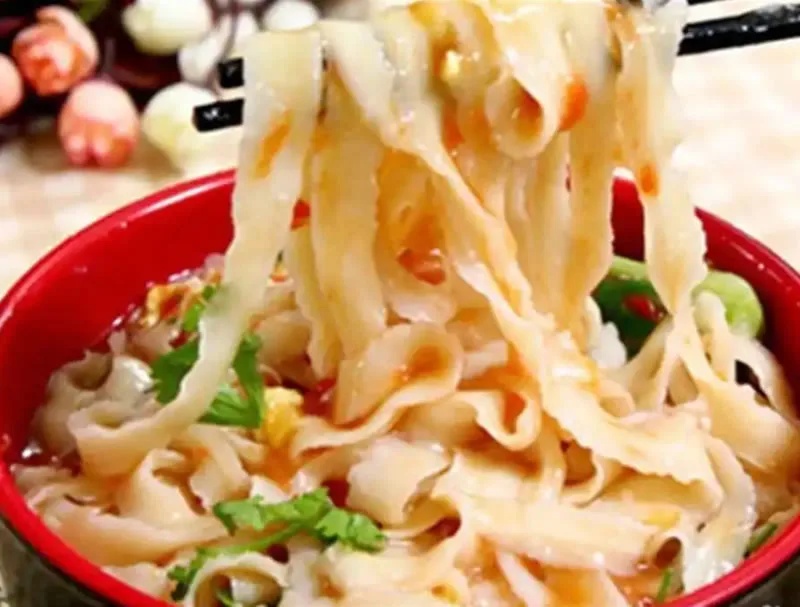
This oil-splashed chili isn’t just a condiment—it’s the flavor base that coats the wide, chewy noodles.
The Savory Toppings (Saozi)
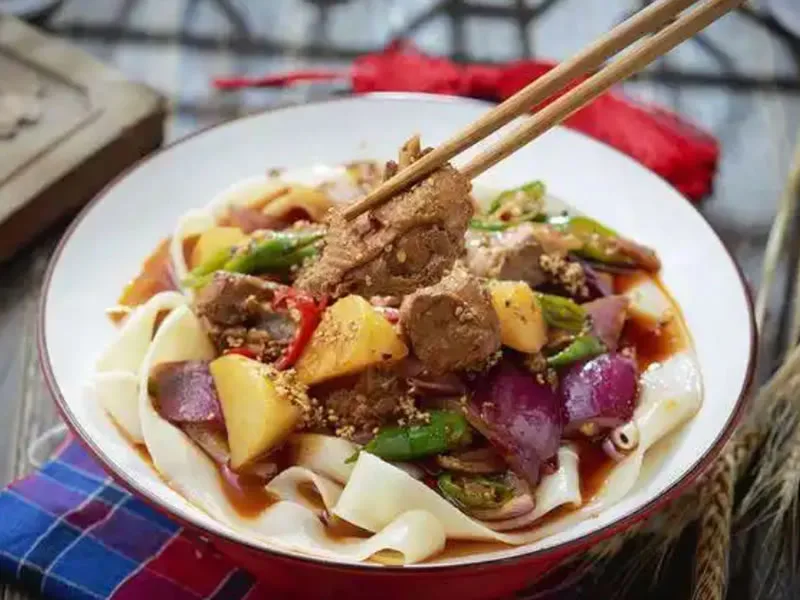
Along with the chili oil, the sauce on Biang Biang noodles often includes a hearty topping. Here are two common versions:
Tomato and Egg Sauce: A comforting combo. Tomatoes are cooked down until soft and juicy, then mixed with scrambled eggs and a touch of five-spice powder.
Pork Saozi: Rich and savory. Fatty pork is fried to release its oils, then lean meat, chili flakes, and spices are added. A dash of vinegar at the end balances the flavor.
These sauces can be served separately or mixed. You can adjust the amounts to match your taste.
So, What’s the Final Answer?
So, what kind of sauce is on Biang Biang noodles?
It’s really a mix of aromatic oil-splashed chili and flavorful toppings like tomato and egg or minced pork. The result is bold, spicy, and totally customizable—which is what makes this noodle dish so unforgettable!