Final Proofread and Polished Version
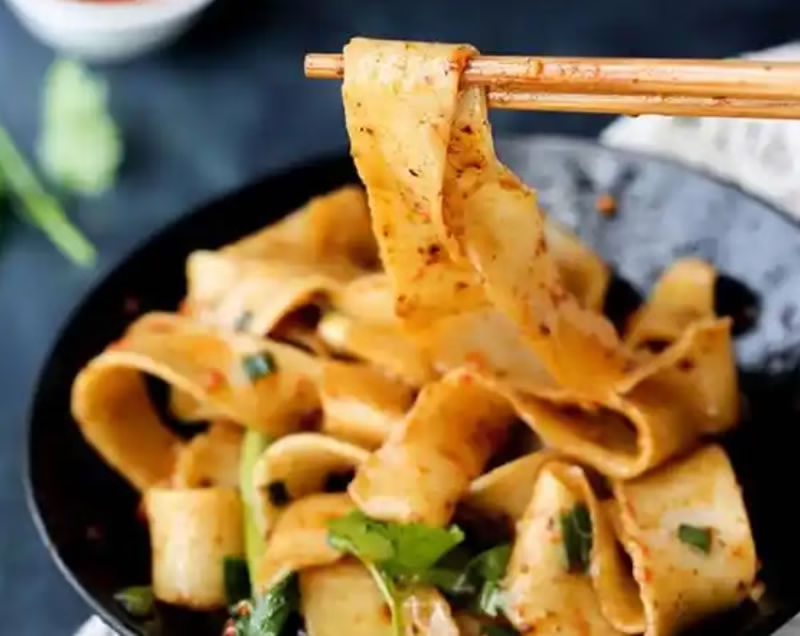
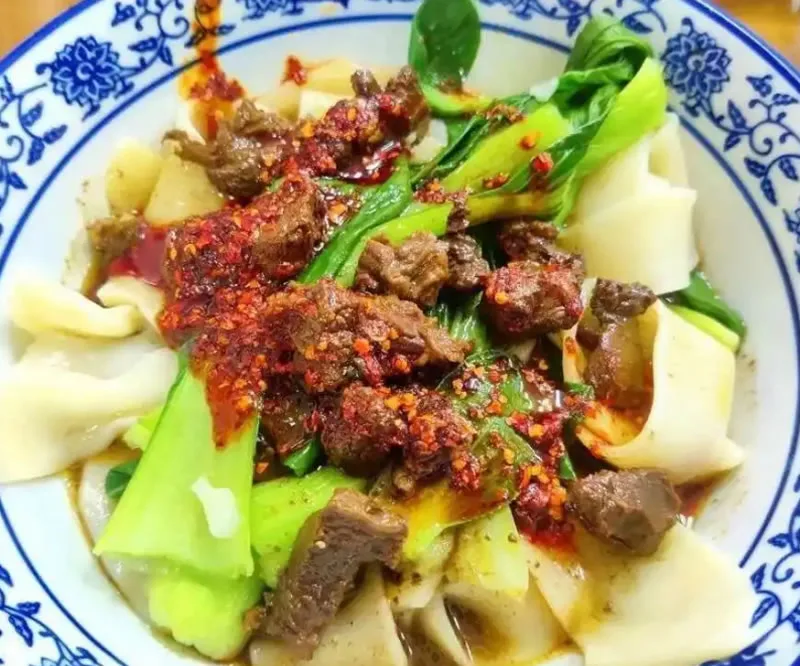
Struggling with common mistakes when making Biang Biang noodles? You’re not alone. This iconic Chinese belt noodle is famous for its chewy texture and width, but getting the dough just right can be tricky. Don’t worry—we’ve got you covered. Let’s dive into the most frequent issues home cooks face and exactly how to fix them.
Problem 1: My Dough Won’t Get Smooth
If your dough remains rough and shaggy instead of turning into a smooth ball, the main culprits are usually not enough water or flour with too much gluten. This prevents the gluten network from forming properly. To fix this common Biang Biang noodle issue, gradually add a little more water, one tablespoon at a time. Alternatively, you can mix in a small amount of low-gluten flour (like cake flour) to soften the dough. The real secret, though, is rest. Let the dough proof, then knead it again. Repeating this process 2-3 times will work wonders for smoothing it out.
Problem 2: The Dough Breaks Easily When Pulling
There’s nothing more frustrating than having your dough snap when you’re trying to pull it into those long, beautiful belts. This common mistake typically happens if the gluten is too tight or the dough wasn’t kneaded sufficiently. The fix for your Biang Biang noodles is a patient, batch-by-batch approach. Add your water gradually while kneading, and after each kneading session, let the dough rest for 10-15 minutes. This allows the gluten to relax, making the dough pliable and much less likely to break.
Problem 3: The Noodles Aren’t Chewy
The signature of a great Biang Biang noodle is its satisfying, springy chew. If your noodles turn out soft or mushy, the problem likely starts with the flour or your technique. First, always use bread flour (high-gluten flour)—it’s essential for that chew. Second, knead the dough thoroughly until smooth, and this is crucial: let it rest fully for 10-15 minutes between kneading sessions. This resting period is non-negotiable for developing the perfect texture and avoiding this common Biang Biang noodle disappointment.
Problem 4: The Noodles Stick Together
If your uncooked noodles cling to each other, it’s often because the dough is too wet or it hasn’t rested long enough. To prevent this, try using a bit less water in your next batch. If you’ve already made the dough, the simple solution is to give it more time. Wait until the dough is completely relaxed before you start pulling it. A well-rested dough is far less sticky and much easier to work with, ensuring your noodles separate cleanly.
Problem 5: The Noodles Are Sticky After Cooking
You’ve boiled your noodles, but they come out gummy and sticky. This usually happens for one of two reasons: they weren’t shocked with cold water after cooking, or the noodles were simply too thick. The easy fix for your Biang Biang noodles is to drain them immediately after boiling and rinse them under cold running water. This stops the cooking process and removes excess surface starch. If the noodles were too thick, just remember to roll or pull them a bit thinner next time. Either method will give you that light, springy, and non-sticky finish you’re looking for.