If you’ve ever scanned a Chinese menu, you’ve probably seen both Lo Mein and Chow Mein. While they’re two of the most popular noodle dishes, many people mix them up. So, what’s the real difference between Lo Mein and Chow Mein? It all comes down to three key areas: how they’re cooked, their nutrition, and their regional roots. Let’s settle the Lo Mein vs. Chow Mein debate once and for all.
- Cooking Method: The Biggest Difference
This is where the difference between Lo Mein and Chow Mein is most obvious. It’s all about what happens after the noodles are boiled.
Lo Mein: Tossed, Not Fried
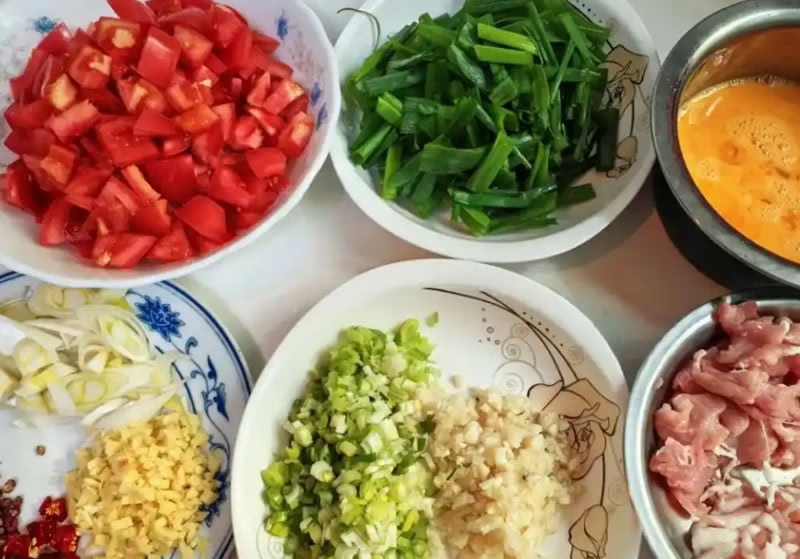
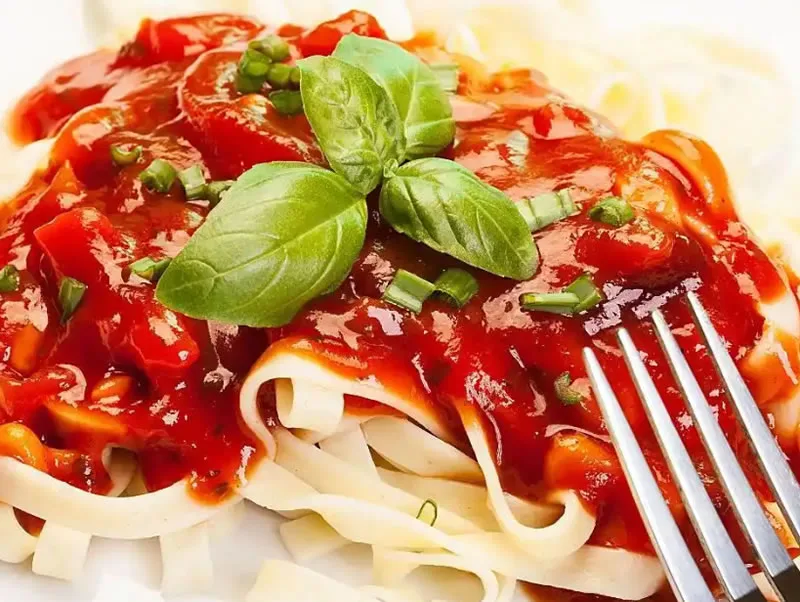
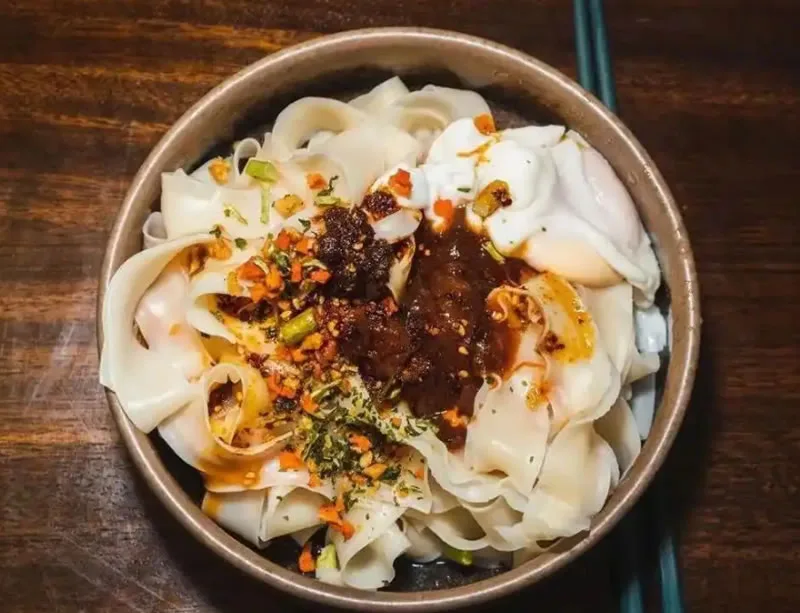
In Lo Mein, the noodles are boiled until perfectly tender and then drained. The key step? They’re simply tossed with pre-cooked toppings and sauce. Think of dishes like scrambled eggs with tomatoes or stir-fried shredded pork—these savory mixes are spooned right over the hot noodles. This method keeps the noodles soft and chewy, allowing the fresh flavors of the toppings to shine through without any extra frying.
Chow Mein: Stir-Fried for Flavor
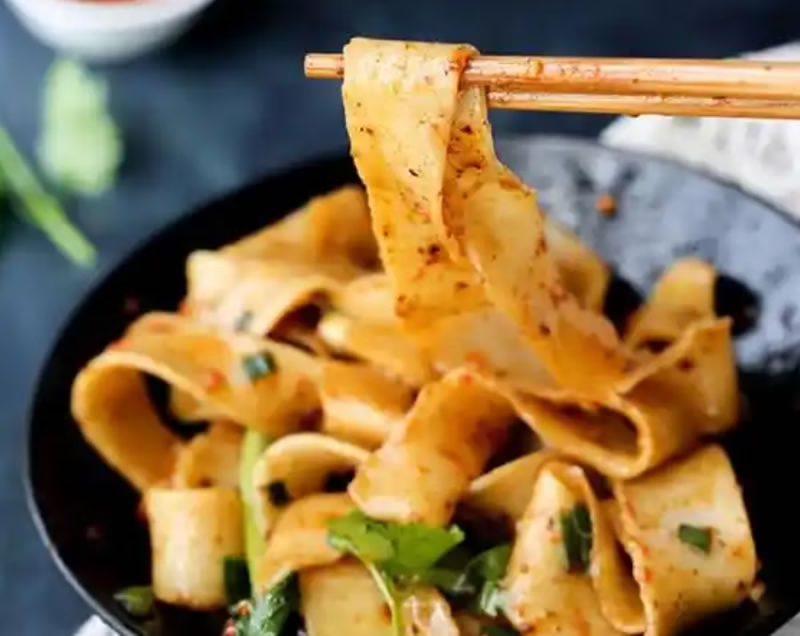
Chow Mein also starts with boiled noodles, but then it takes a crucial extra step: everything gets a quick, high-heat stir-fry. The par-cooked noodles are tossed in a hot wok with oil, vegetables, and meat until everything is perfectly blended. This stir-frying process is what defines Chow Mein, creating that signature “wok hei”—the smoky, slightly charred aroma from the wok—and a delicious, caramelized flavor you just can’t get from tossing alone.
- Nutrition: What’s Healthier?
The cooking method directly impacts the nutritional profile of each dish, which is another key point in the Lo Mein vs. Chow Mein discussion.
Lo Mein: Lighter on its Feet
Because the noodles are boiled, some water-soluble nutrients like B vitamins and potassium can leach into the cooking water. But here’s a fun fact: that water is sometimes enjoyed as “original soup” in China, based on the traditional belief that it aids digestion. Since Lo Mein isn’t stir-fried, it typically absorbs less oil, making it a generally lighter option with lower fat content.
Chow Mein: Bold and Savory
The high-heat stir-frying used for Chow Mein can break down some heat-sensitive vitamins. More noticeably, to achieve that crispy texture and deep flavor, more oil is used during cooking. This means Chow Mein often ends up with a higher fat content compared to Lo Mein, but it’s that same process that gives it its irresistible, robust taste.
- Regional Roots: A Taste of Local Culture
Understanding where these dishes come from helps explain their character and is a fascinating part of the Lo Mein vs. Chow Mein story.
Lo Mein: A Taste of Home
Lo Mein has its roots in heartland regions like Henan Province. It’s the ultimate homestyle comfort food. The focus is on quality fundamentals: chewy, often hand-rolled noodles paired with a perfectly matched, savory topping. There are no fancy tricks—just hearty, satisfying goodness.
Chow Mein: The Street Food Star
Chow Mein is a classic you’ll find sizzling at street food stalls across China. Its biggest selling points are speed and powerful flavor. Cooked to order in a blazing-hot wok in minutes, it’s the perfect grab-and-go meal that never fails to hit the spot.
The Bottom Line
So, in the great Lo Mein vs. Chow Mein debate, your choice depends on what you’re craving. If you want a lighter dish with distinct, fresh flavors and a tender chew, go for Lo Mein. If you’re after a smoky, savory, and richly textured experience from the wok, Chow Mein is your winner. Now you know exactly what makes them different!