If you’re exploring the world of Chinese noodles, you’ve probably heard of both Biang Biang noodles and Dao Xiao Mian (Knife-Shaved Noodles). While they’re both incredibly delicious, they’re actually very different. Let’s break down the key differences between Biang Biang noodles and knife-shaved noodles in terms of how they’re made, their shape, and how they’re served.
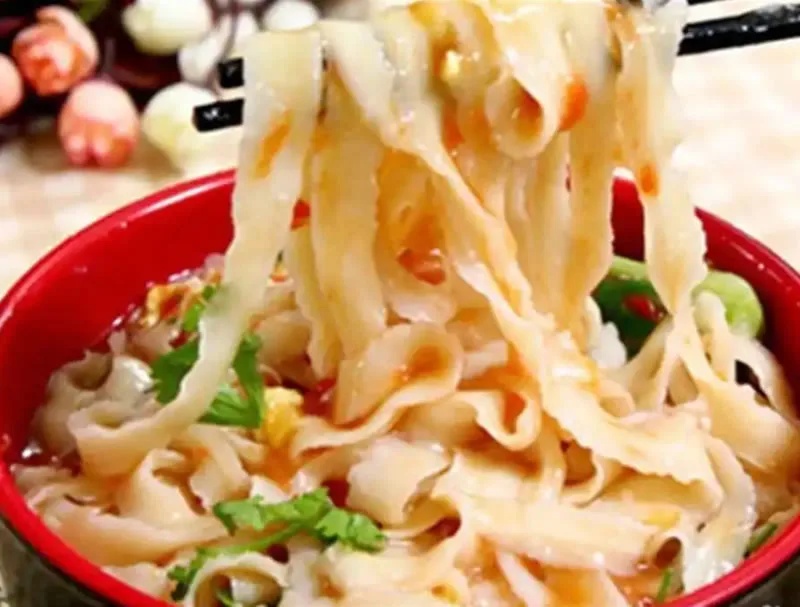
How They’re Made: Hand-Pulled vs. Knife-Shaved
The biggest difference starts with the craftsmanship.
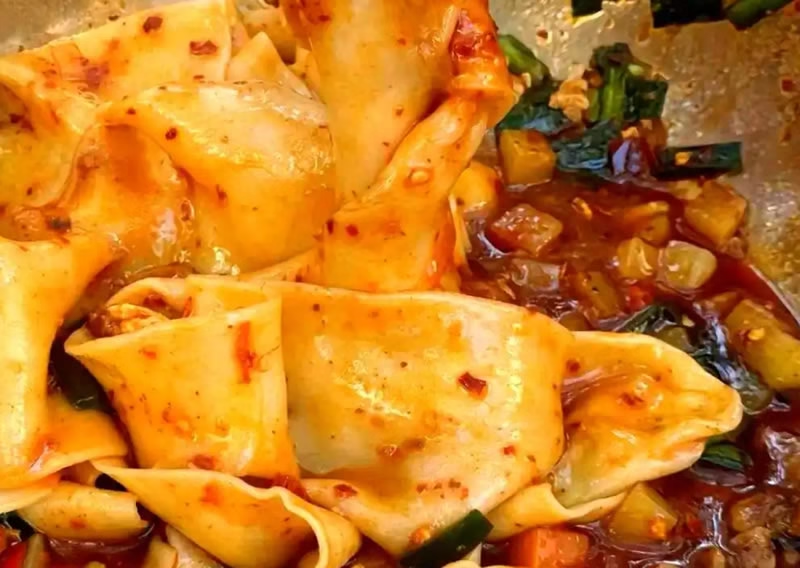
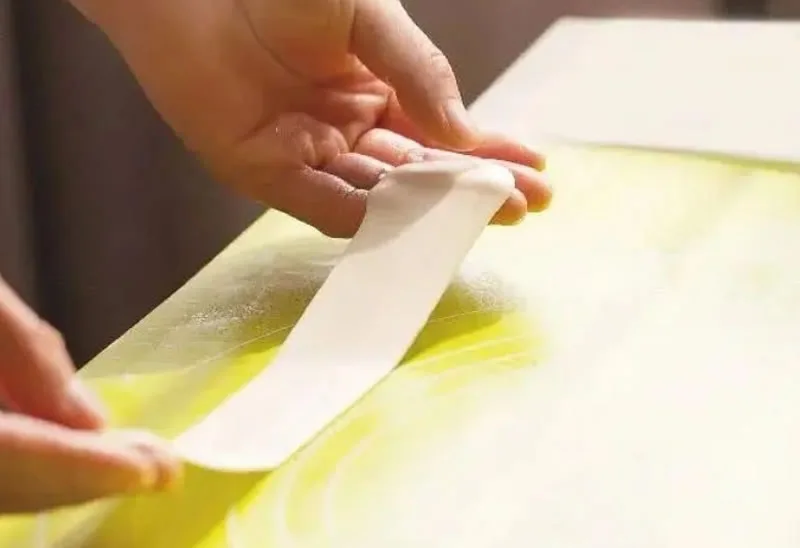
Biang Biang Noodles are an iconic example of Shaanxi’s hand-pulled noodle tradition. Chefs make them by skillfully kneading, stretching, and yes—flinging and slapping the dough against the counter. This process creates those famously long, wide, and thick ribbons. The name “Biang Biang” actually comes from the distinctive “biáng” sound the dough makes when it’s slapped. It’s a real art form!
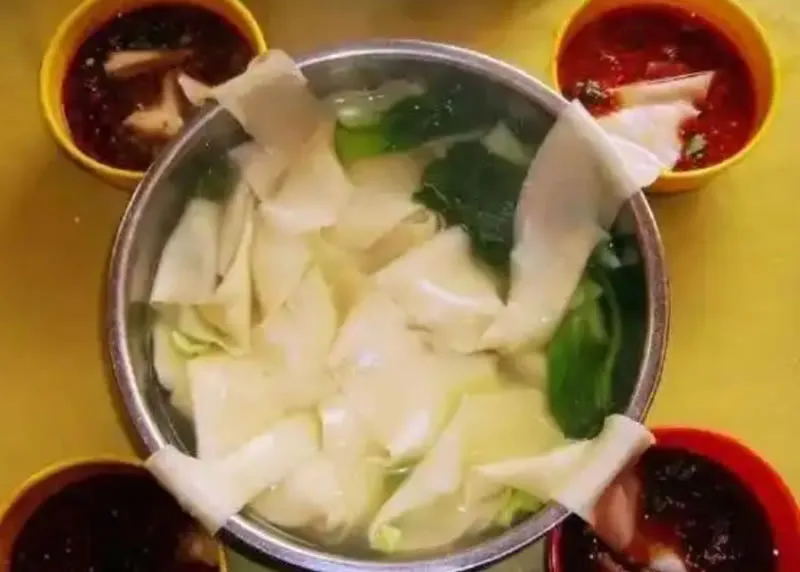
Knife-Shaved Noodles (Dao Xiao Mian), on the other hand, live up to their name. Instead of pulling, a chef holds a block of dough and uses a special curved knife to swiftly shave off thin slices directly into boiling water. The goal is to create pieces that are shaped like willow leaves, with a technique that looks like the knife is “flying.” It’s fast, precise, and mesmerizing to watch.
Noodle Texture and Shape
This is where you can really see and feel the difference.
Biang Biang Noodles are all about being bold and chewy. They are wide, thick, and incredibly resilient—some noodles can even be up to two meters long! They have a great bite and hold their texture perfectly, even when sitting in a soup. They’re typically tossed with bold seasonings like chili oil and garlic, creating a sour, spicy, and aromatic flavor bomb.
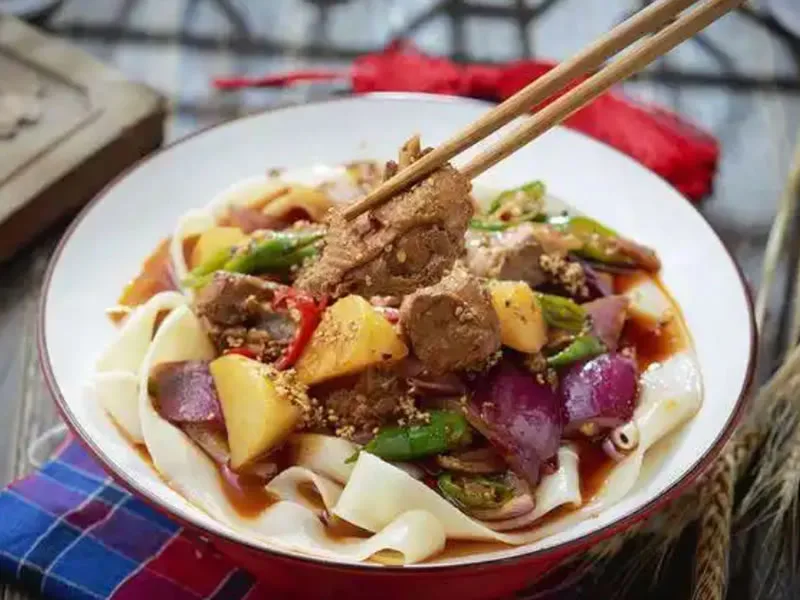
Knife-Shaved Noodles have a completely different character. Their signature shape is a diamond or a delicate willow leaf, usually about 0.2-0.4 centimeters thick. When you eat them, they are smooth, slightly springy, and have a wonderful mouthfeel. They are the perfect vehicle for rich broths or savory fried sauce toppings, creating a perfect balance between the noodle’s pleasant chew and the dish’s overall flavor.
How and Where You Eat Them
The experience of eating these noodles also reflects their regional roots.
Biang Biang Noodles are most commonly eaten dry (or “sauced”), not in a soup. You’ll typically find them in street-side stalls in Shaanxi, where people dig in while sitting on small stools. Slurping them up is all part of the fun and reflects the straightforward, hearty nature of Guanzhong cuisine.
Knife-Shaved Noodles are a staple in Shanxi and can be served either in a soup or with a sauce. They’re a beloved dish, often enjoyed during special occasions and festivals like Chinese New Year. Eating them is about savoring the simple, wonderful aroma of wheat and the skillful craft behind each bowl.