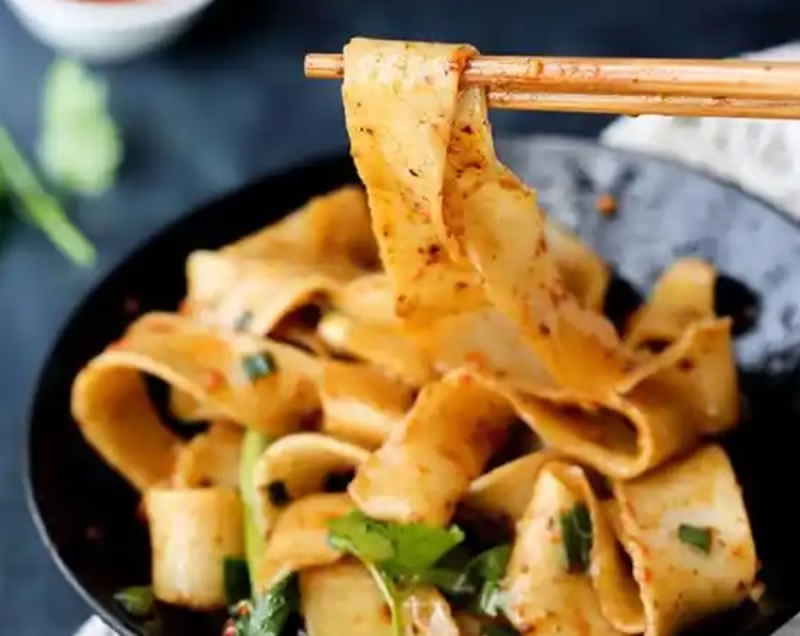
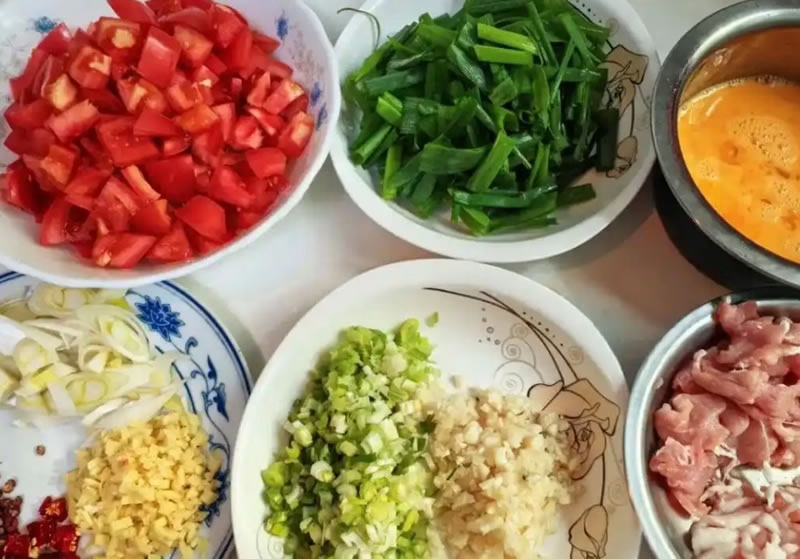
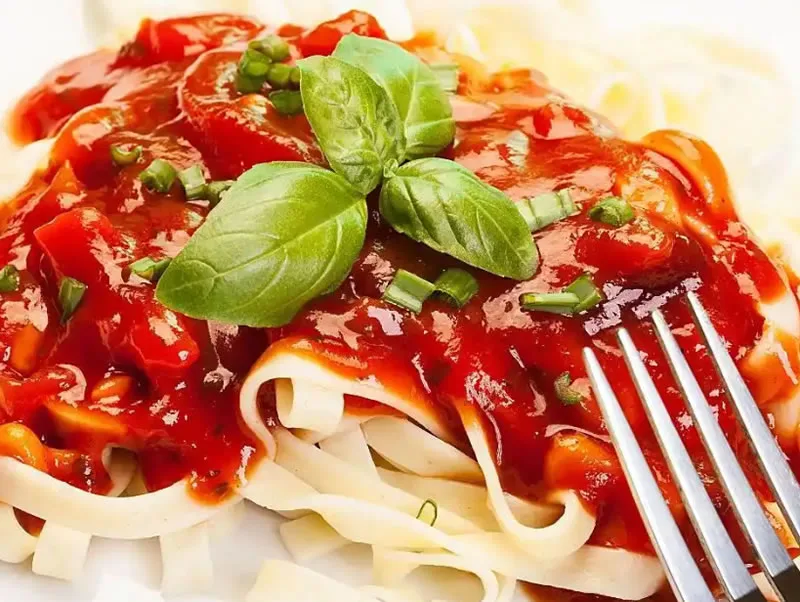
Biang Biang noodles are a famous dish from Shaanxi, China, loved for their wide, chewy texture and rich, savory flavors. If you’ve ever wanted to recreate this iconic dish at home, you’re in the right place. This ultimate Biang Biang noodles recipe will walk you through each step—plus, we’ve included a tasty vegetarian option!
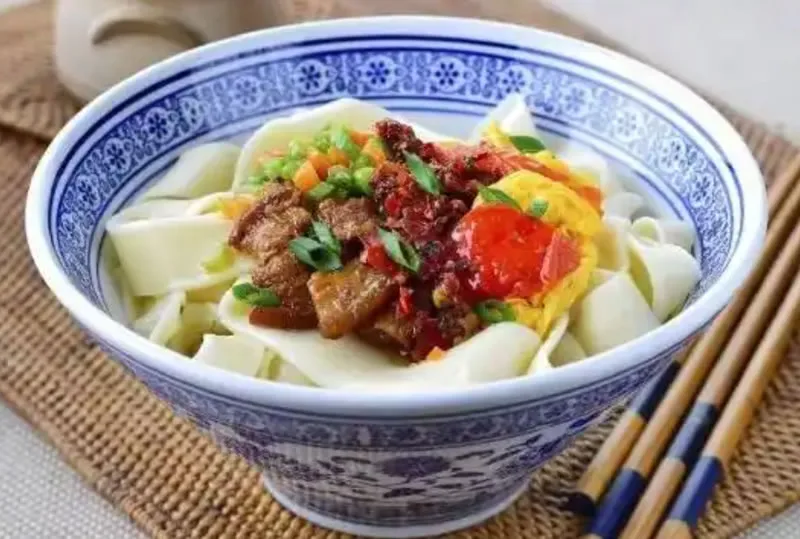
Ingredients You’ll Need
500 grams high-gluten flour
Warm water
Cooking oil
Chili powder
Pepper powder
Fresh garlic
Balsamic vinegar
Soy sauce
Salt
Chicken essence (or vegetable seasoning for the vegetarian version)
How to Make Biang Biang Noodles — Step by Step
Place the flour in a large mixing bowl. Gradually add warm water and knead until you form a smooth dough. Cover it with a damp cloth and let it rest.
Lightly grease your work surface with oil. Roll the dough into a large, flat sheet, then slice it into wide strips—this is what gives Biang Biang noodles their signature look.
Brush a thin layer of oil over the noodle strips to prevent them from sticking. Cover them again with the damp cloth while you prepare the other components.
Heat oil in a pan over medium heat. Once hot, add chili powder and pepper powder. Gently fry over low heat to create a fragrant chili oil.
In a small bowl, combine minced garlic, balsamic vinegar, soy sauce, salt, chicken essence (or a vegetarian alternative), and your freshly made chili oil. Mix well—this seasoning sauce is key to the authentic flavor of Biang Biang noodles.
Bring a pot of water to a boil. Stretch each noodle strip slightly and drop it into the boiling water. Use chopsticks to gently separate them. Cook until tender, then drain.
Transfer the cooked Biang Biang noodles to a bowl. Pour the seasoning sauce over the top and toss thoroughly.
Tips for the Best Biang Biang Noodles
Add warm water a little at a time to avoid dough that’s too soft or too tough.
Try to keep the noodle strips even in thickness and width for consistent cooking and perfect texture.
Adjust the amount of chili and pepper powder based on your preferred spice level.
Drain the noodles promptly after cooking to avoid them getting too soft.
Since Biang Biang noodles rely on a chewy, springy texture, using high-gluten flour is best.
Don’t skip the garlic and vinegar—they enhance the overall flavor. Feel free to tweak the amounts to taste.