If you’re diving into the world of Shaanxi cuisine, you’ve probably heard of two of its most famous noodles: Biangbiang noodles and Belt Noodles (Ku Dai Mian). At first glance, they might look similar—both are wide, thick, and incredibly tempting. But for food lovers, knowing the difference between Biangbiang noodles and Belt Noodles is key to finding your perfect bowl.
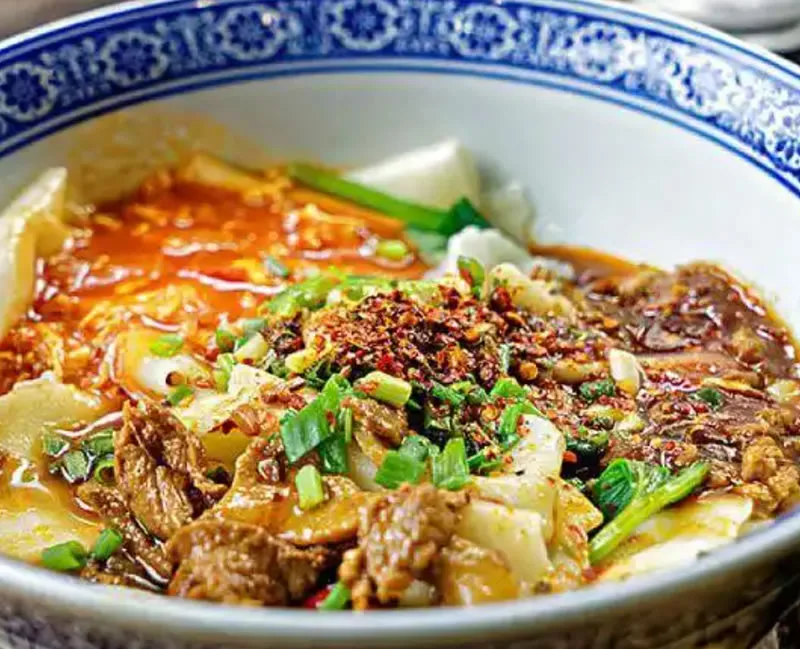
So, which one truly tastes better? The answer isn’t simple, because each has its own unique charm. This article will break down everything from their looks and how they’re made to how you eat them. By the end, you’ll know exactly which one to try first!
- Spot the Difference: How They Look
While both are wide and hearty, a closer look reveals their unique personalities.
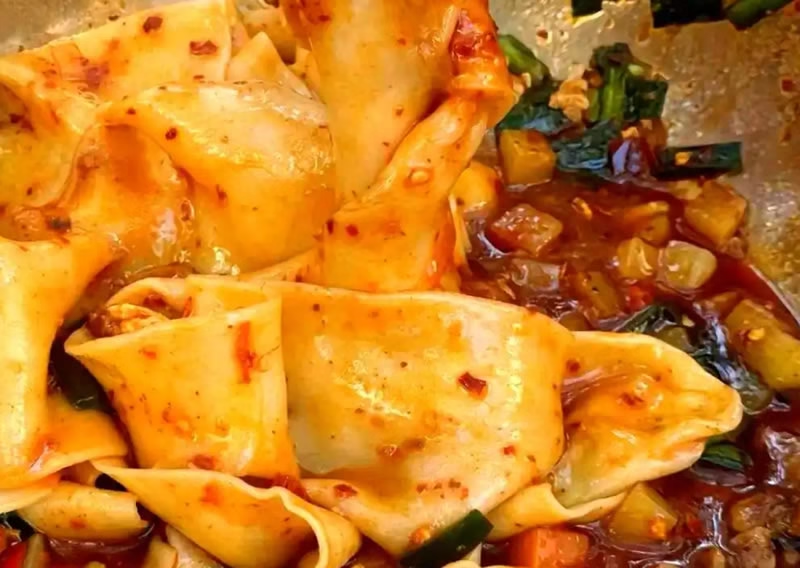
Biangbiang noodles are thick and substantial, but not as wide as their Belt Noodle cousins. Their signature feature? The slapping and stretching process often leaves the surface with beautiful, lace-like patterns. These ripples aren’t just for show—they help the sauce cling to every bite, adding to the texture.
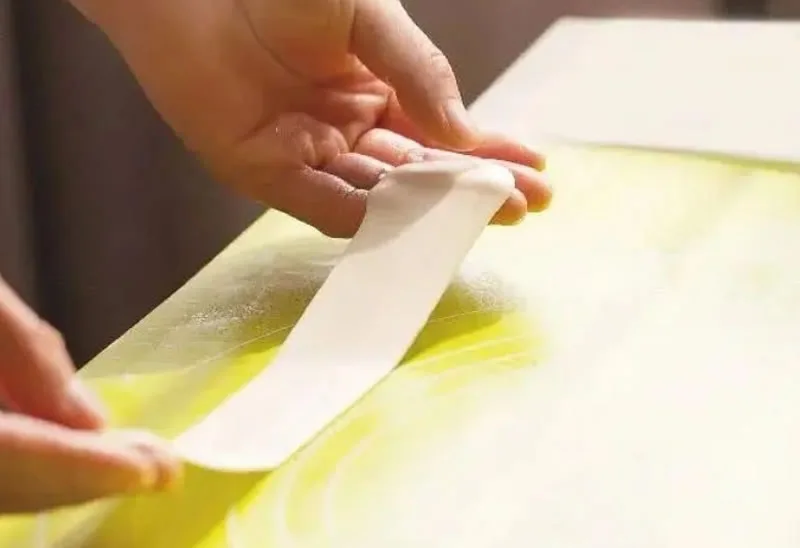
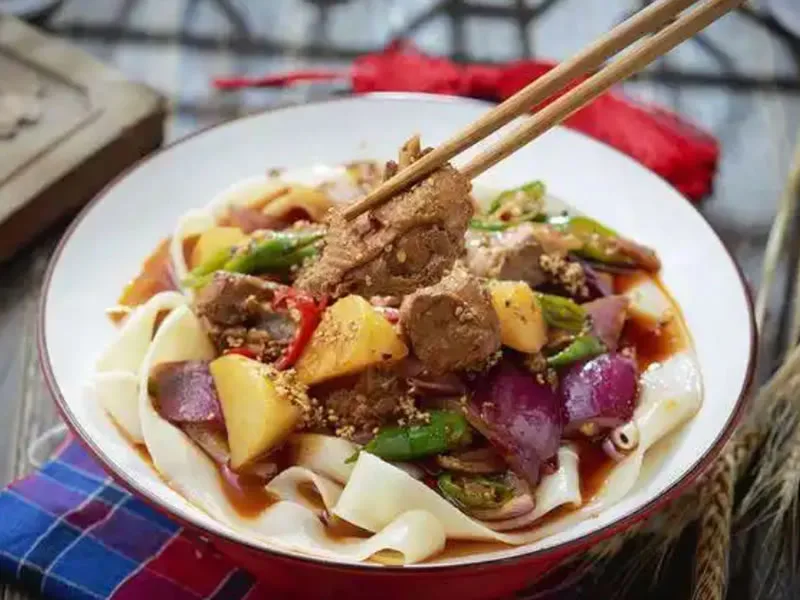
On the other hand, Belt Noodles live up to their name. They are exceptionally wide—some are as long as a meter and as wide as a belt (about four to five centimeters)! Their shape is simpler and straighter, but that broad surface is perfect for soaking up all the delicious broth and seasonings, promising a deeply satisfying mouthful.
- Kitchen Magic: How They’re Made
This is where the difference between Biangbiang noodles and Belt Noodles really comes to life. The preparation methods are a show in themselves.
Making Biangbiang noodles is all about rhythm and skill. The dough is repeatedly slapped and stretched on the counter, creating that iconic “biang~biang~” sound that gives the noodle its name. This technique makes the noodles incredibly springy and gives them their unique, chewy texture.
Belt Noodles, however, are made with a more relaxed, pulling technique. Chefs often skip the intense slapping and instead stretch and pull the dough directly, sometimes even in the air, before dropping it into the boiling water. It’s a simpler method, but the result is a wonderfully wide and smooth noodle that holds its own in any soup or sauce.
- The Best Part: How to Eat Them
So, how do you eat them? The eating style of Biangbiang noodles and Belt Noodles offers another point of comparison.
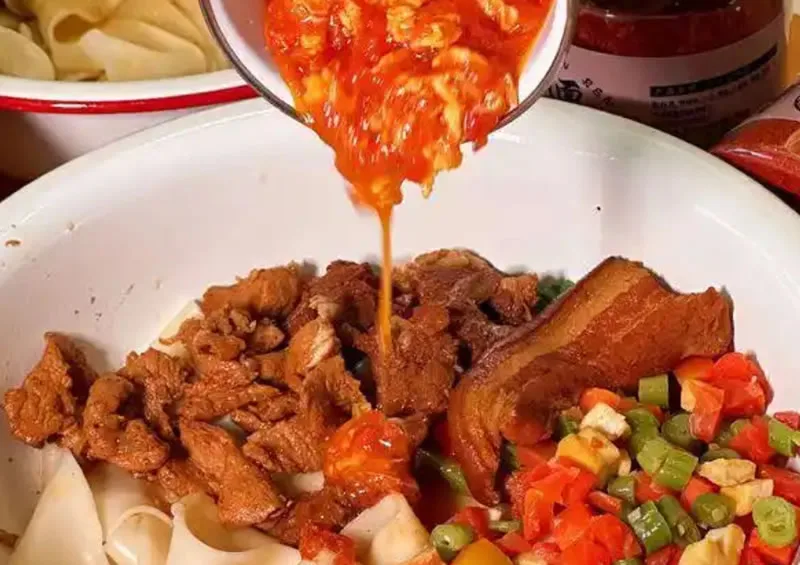
Biangbiang noodles are most commonly served “dry” (without soup), tossed in rich, powerful sauces. Popular styles include:
You Po (Oil-Splashed): Topped with chili powder, garlic, and scallions, then sizzled with hot oil.
San He Yi (Three-in-One): A combo of minced meat, tomato-egg sauce, and stir-fried vegetables.
Zha Jiang (Fried Sauce): Mixed with a thick, savory soybean-based meat sauce.
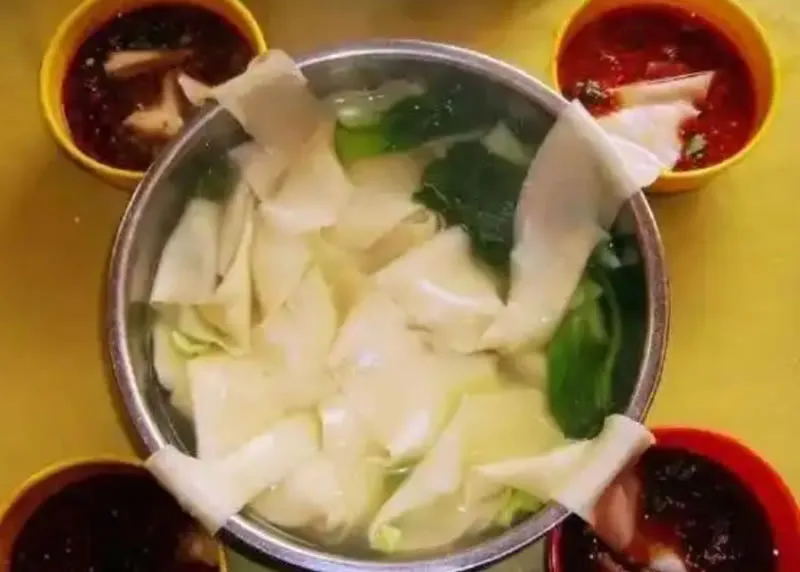
Belt Noodles are much more versatile. You can enjoy them dry, like Biangbiang noodles, but they’re also fantastic served in a broth or even with a dipping sauce on the side. You’ll find them as oil-splashed, dry-tossed, or in a comforting soup. This variety means there’s a Belt Noodle style for every mood.
- Culture and Legends: More Than Just Food
Both noodles are delicious pillars of Shaanxi culture, but their stories are different.
The name “Biangbiang noodles” comes from a fascinating folk tale. Legend has it a poor scholar invented the complex Chinese character for “biang” after enjoying the noodles but having no money to pay. The character is a work of art itself, reflecting the noodle’s shape and the sound of the dough hitting the table.
Belt Noodles have a more straightforward origin. They are named for their direct resemblance to a trouser belt. In the Guanzhong region, serving these wide, hearty noodles is a classic way to show hospitality to guests and family.
So, Which Tastes Better: Biangbiang Noodles or Belt Noodles?
Now for the final verdict: which tastes better?
It all comes down to your personal preference.
If you love a chewy, textured noodle with a rich, clinging sauce that packs a punch, then Biangbiang noodles might be your winner.
If you prefer a wide, smooth noodle that’s versatile enough to be enjoyed in a savory broth or with a variety of sauces, then Belt Noodles could be the one for you.
Ultimately, the real winner is you, the eater. The best way to decide is to try both! Exploring the difference between Biangbiang noodles and Belt Noodles is a delicious journey into the heart of Shaanxi’s culinary soul.