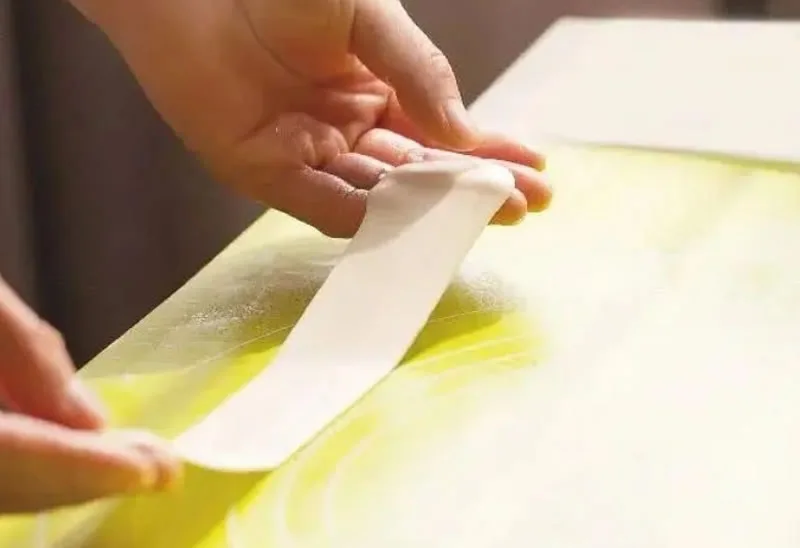
So, you’ve heard about the legendary Biang Biang noodles and you’re wondering, “What kind of sauce is on Biang Biang noodles, anyway?” It’s a great question! The answer isn’t as simple as ketchup on fries. The magic of these wide, belt-like noodles from Shaanxi, China, lies in the vibrant, customizable sauces poured over them. Let’s break down the two most iconic sauces that make this dish unforgettable.
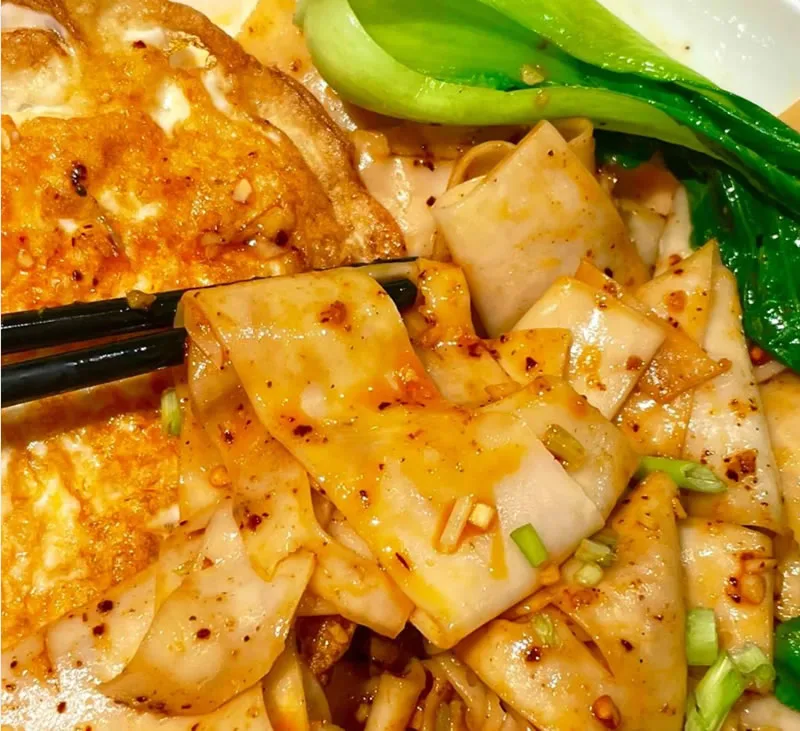
The Classic: Fiery Oil-Splashed Chili Sauce
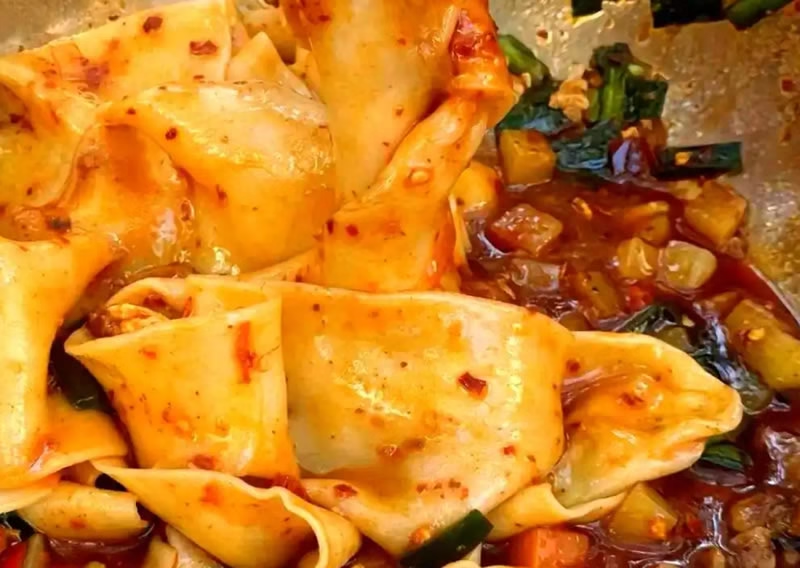
When you picture Biang Biang noodles, you’re probably imagining the version with the stunning red chili oil. This isn’t just any chili sauce; it’s an experience. The process is key:
First, you create a flavorful base in your bowl with chili flakes, minced garlic, green onion, ginger, a splash of soy sauce, and a touch of aged vinegar for balance.
Then, comes the “inspirational” part! You heat up neutral oil until it’s shimmering hot and carefully pour it directly over the seasonings. That satisfying sizzle is what “wakes up” the flavors, toasting the chili flakes and garlic to create a uniquely aromatic and spicy red oil. This is the heart and soul of many Biang Biang noodle bowls.
The Rich & Savory Option: Tomato and Egg Sauce
If you prefer something a bit less spicy but equally comforting, the tomato and egg sauce is for you. This is a beloved Chinese home-style classic that pairs perfectly with the chewy noodles.
It starts with a simple stir-fry. Fresh tomatoes are chopped and cooked down with scrambled eggs until they form a soft, almost saucy texture. Then, a bit of sweet noodle sauce and water are added and brought to a boil, letting everything meld together. Finally, it’s seasoned with a pinch of salt, a little chicken essence (or powder), and a dash of five-spice powder for depth. The result is a sweet, savory, and tangy sauce that clings beautifully to every noodle.
The Hearty Favorite: Meaty “Braise” Sauce
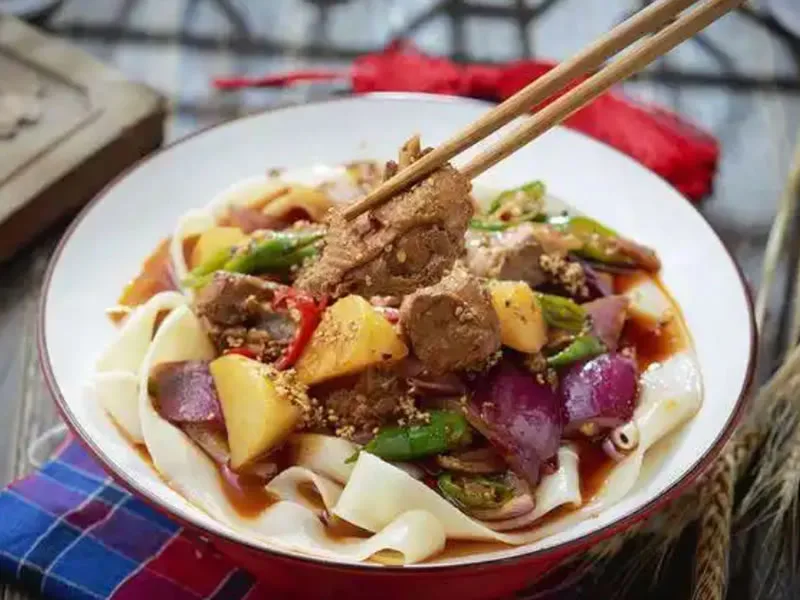
For the meat lovers, there’s a robust and savory option. This sauce features diced pork that’s first stir-fried with cooking wine, dark soy sauce for color, regular soy sauce for saltiness, and five-spice powder until incredibly flavorful.
Then, it’s simmered to perfection. Dried chili peppers and a bit of sugar are added, and the whole thing is left to simmer for about 10 minutes, allowing the meat to become tender and the flavors to deepen. A final splash of vinegar at the end “refreshes” the sauce, cutting through the richness and balancing all the flavors.
Bringing It All Together
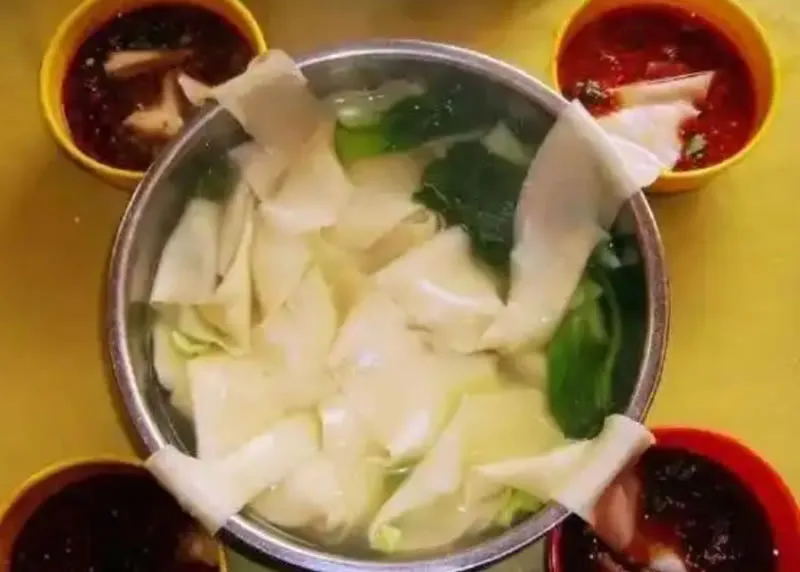
The best part about the sauces on Biang Biang noodles is their versatility. You can enjoy them separately or get creative by mixing and matching! Once your noodles are cooked and drained, you simply pour your sauce of choice over the top and toss everything together until each wide, slippery noodle is perfectly coated.
So, the next time someone asks you, “What kind of sauce is on Biang Biang noodles?” you can tell them it’s a choice of incredible flavors—from a spicy oil-splashed chili to a comforting tomato and egg or a hearty meat braise. Now, which one will you try first?