If you’ve heard of Shaanxi, you probably know it’s one of China’s ancient heartlands—a place where history feels alive. Its capital, Xi’an, blends imperial grandeur with modern energy, drawing travelers not just for its Terracotta Warriors, but for one unforgettable bowl of noodles: Biang Biang noodles.
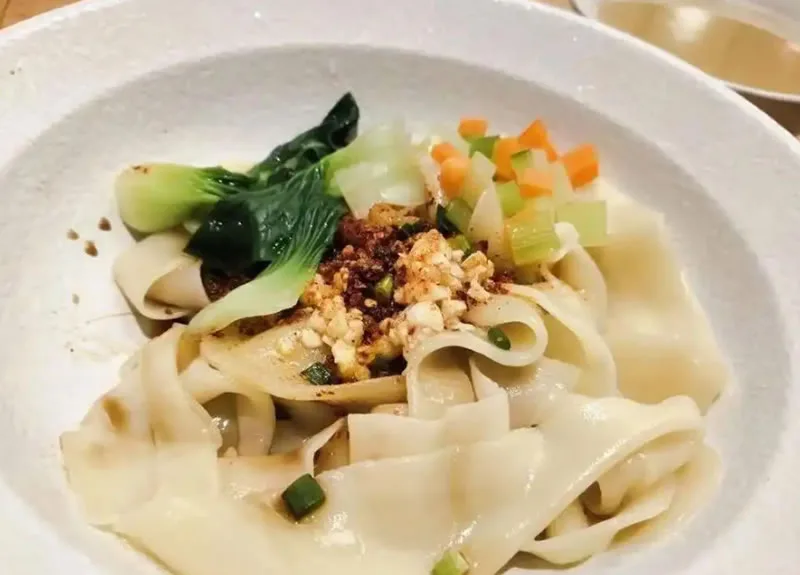
Yes, you read that right—Biang Biang. And if you’re wondering how to even say it, you’re not alone. Let’s break down the pronunciation of Biang Biang noodles and uncover the fascinating story behind what many call “China’s most complex character.”
So… How Do You Actually Pronounce “Biang”?
Let’s get straight to the point: the pronunciation of Biang Biang noodles follows a rough, onomatopoeic rhythm—something like “bee-ang,” spoken twice with emphasis. The word isn’t standard Mandarin. It comes straight from the Shaanxi dialect, mimicking the sound of dough slapping against a counter. That’s right—the name echoes the very process of making the noodles!
And if you’re wondering why we’re relying on Pinyin to spell it, here’s the reason: the original Chinese character is so complicated that most digital keyboards can’t even type it. Shrink it down on a screen, and it turns into an inky blob. Which brings us to the real star of the show…
The “Biang” Character: A Legend Wrapped in Noodles
You might look at the character for Biang and think, “Okay, it’s detailed—but how hard can it be?” Then you try writing it. With a whopping 56 strokes, it’s one of the most complicated Chinese characters ever created. In fact, it’s so over-the-top that it’s not even officially recognized in modern dictionaries!
So where did this wonderfully complex Chinese character come from?
Legend says a penniless scholar invented it on the spot. After enjoying a hot bowl of belt-like noodles at a local shop, he realized he had no way to pay. In place of money, he offered to create a unique character for the dish—one so memorable it would attract customers from all over. He drew inspiration from the sounds around him: the biang-biang slap of the dough, the rumble of horses’ hooves on stone streets, even the grid of Xi’an’s ancient city walls. The result? A cultural icon.
More Than a Meal—It’s a Cultural Experience
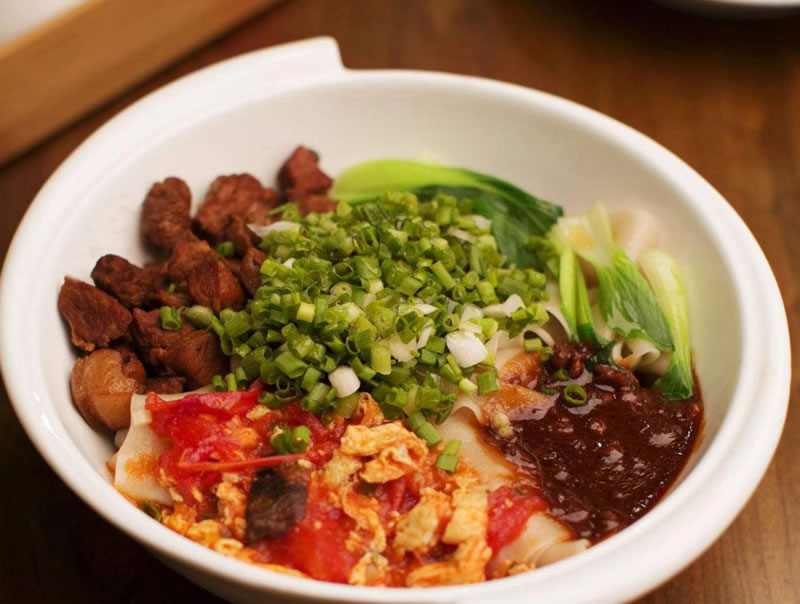
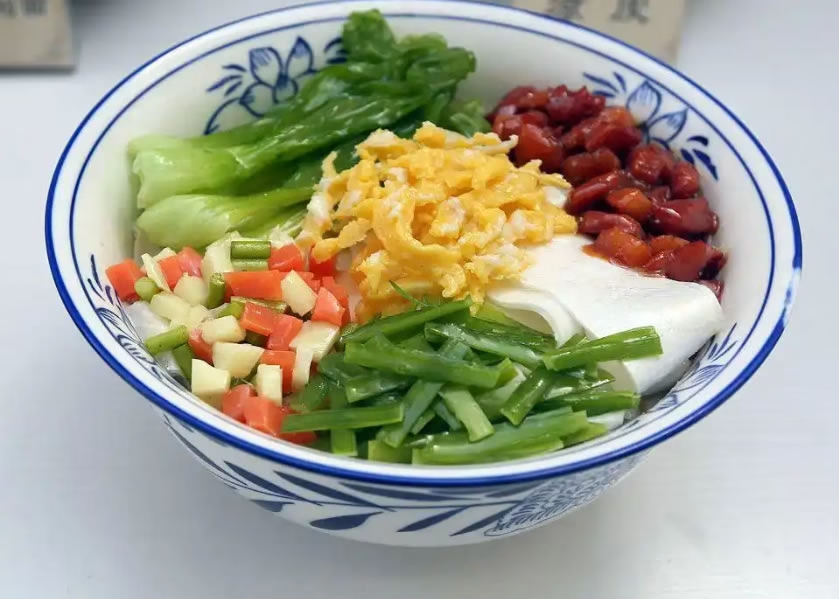
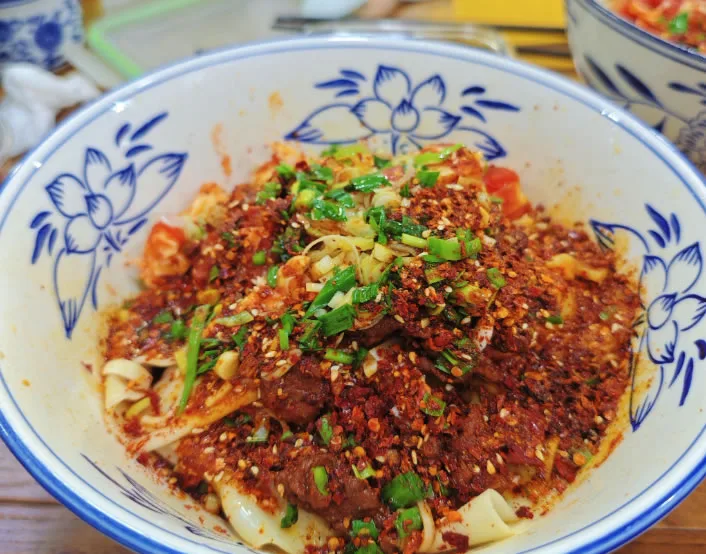
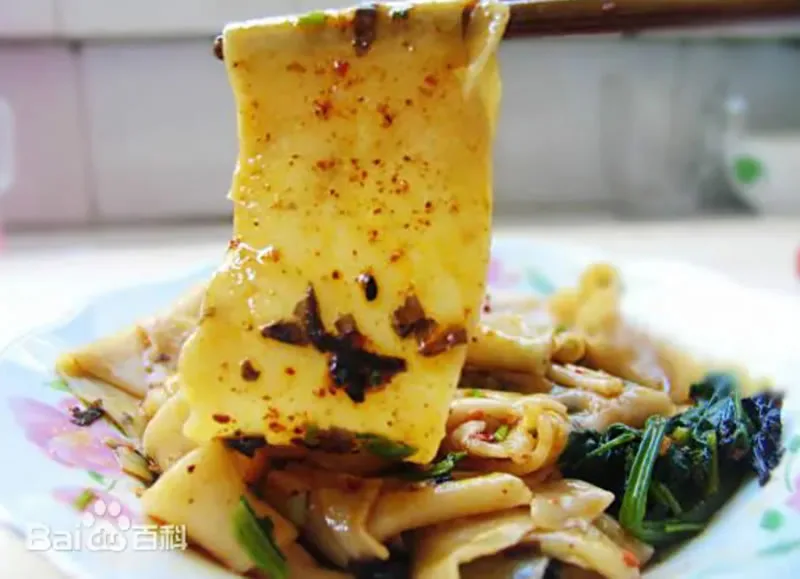
When you order Biang Biang noodles, you’re not just getting food—you’re stepping into a story. The noodles are famously wide, chewy, and often served in a large porcelain bowl that makes the portion look small… until you start eating and realize just how filling they are.
And while you can now find Biang Biang noodles in cities across China, there’s nothing like tasting them in Shaanxi. Made with local wheat and seasoned with regional sauces, each bowl carries the spirit of the land.
Have You Tried Biang Biang Noodles?
So now you know—the story behind China’s most complex character is as rich and layered as the noodles themselves. From its quirky pronunciation to the legendary tale of its creation, Biang Biang noodles aren’t just a dish. They’re a piece of Shaanxi’s soul.
Have you tried this iconic noodle yet? If not, see if there’s a Shaanxi restaurant near you—or better yet, start planning a trip to Xi’an. A bowl of culture, history, and pure carbs awaits!