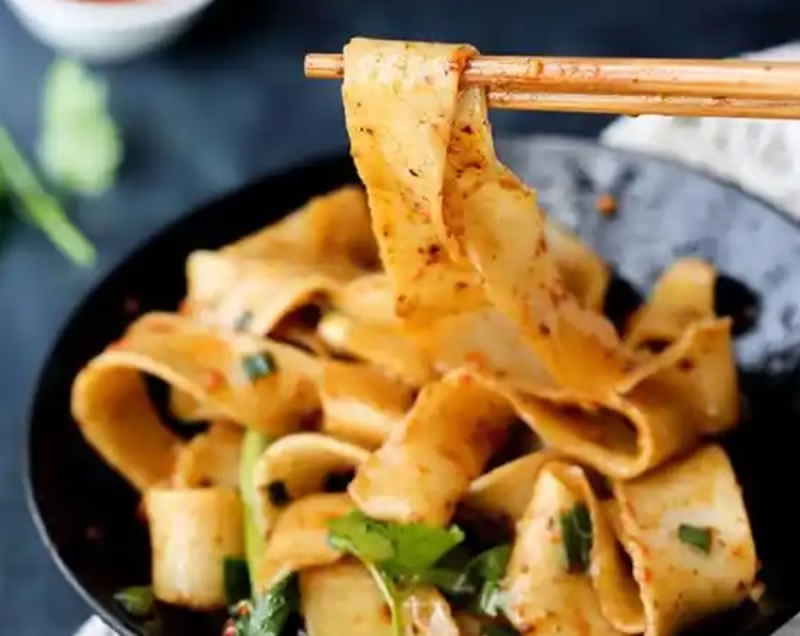
If you’ve ever seen a video of a chef making thunderous slaps on a countertop, magically turning a lump of dough into long, wide noodles, you’ve probably asked yourself: “How are Biang Biang noodles stretched like that?” It’s an incredible process to watch, and it’s all about a unique hand-pulling technique from Shaanxi, China. Let’s see how it’s done.
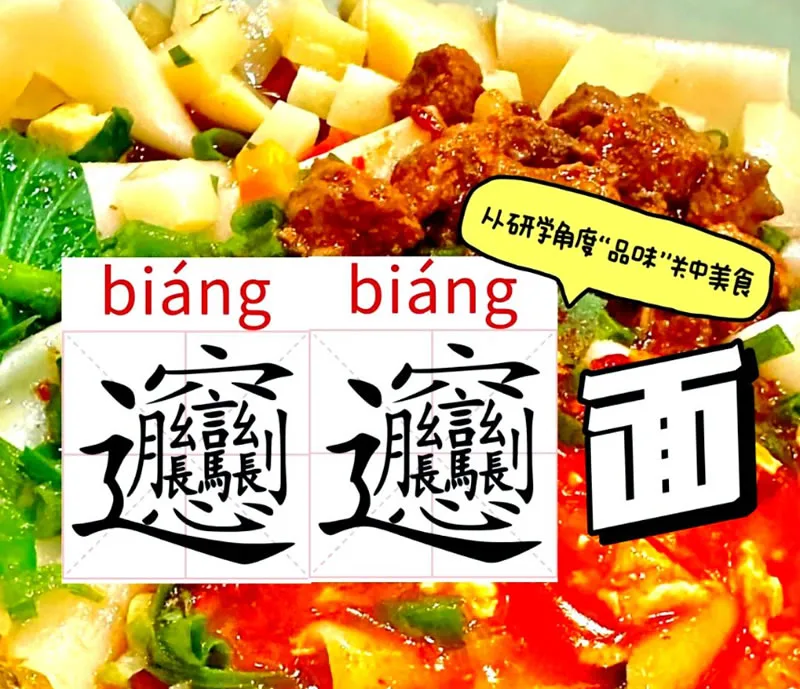
The Magic is in the Slap: The Stretching Method
The way Biang Biang noodles are stretched isn’t your typical pasta-making. It’s a performance of skill, timing, and a bit of physics. The core goal is to transform a sturdy piece of dough into a long, thin, belt-like noodle without using a rolling pin. Here’s how the magic happens:
A Strong Foundation: It all starts with a well-kneaded, soft, and elastic dough. This isn’t a one-and-done process. The dough is repeatedly folded and rested to build up incredible strength and ductility. This is what allows it to be pulled so thin without tearing.
The Signature Slap: This is the most iconic step. The chef holds both ends of a dough strip and uses a combination of inertia and rhythm. They stretch it outwards and then swiftly slam it down against the workstation. You don’t just see it—you hear it! The distinct “BIANG!” sound isn’t just for show; it’s the sound of the chef controlling the dough’s elasticity, helping it relax and extend with every impactful slap.
Patience in Stages: The stretching isn’t done all at once. The first pull is the most significant, but the final length is achieved gradually. By repeatedly lifting, stretching, and slamming the dough, the chef coaxes it to become longer and wider, all while managing its internal tension to prevent snapping.
Key Points for the Perfect Pull
So, what’s the secret to successfully stretching Biang Biang noodles? It boils down to a few critical factors:
The Perfect Dough: The dough must be soft and pliable, with a high water content (around 50%). A dry, stiff dough would simply crack and break under all that pulling and slamming.
Respect the Rhythm: Chefs maintain a careful cycle of “stretch – rest – stretch again.” They never force it. By allowing the gluten to relax between stretches, they avoid overworking the dough, which is the key to achieving that perfect, chewy texture.
The Grand Finale: When done correctly, the process of how Biang Biang noodles are stretched results in a single, magnificent noodle that can be up to 6 feet long and over an inch wide—truly a “belt” of deliciousness!