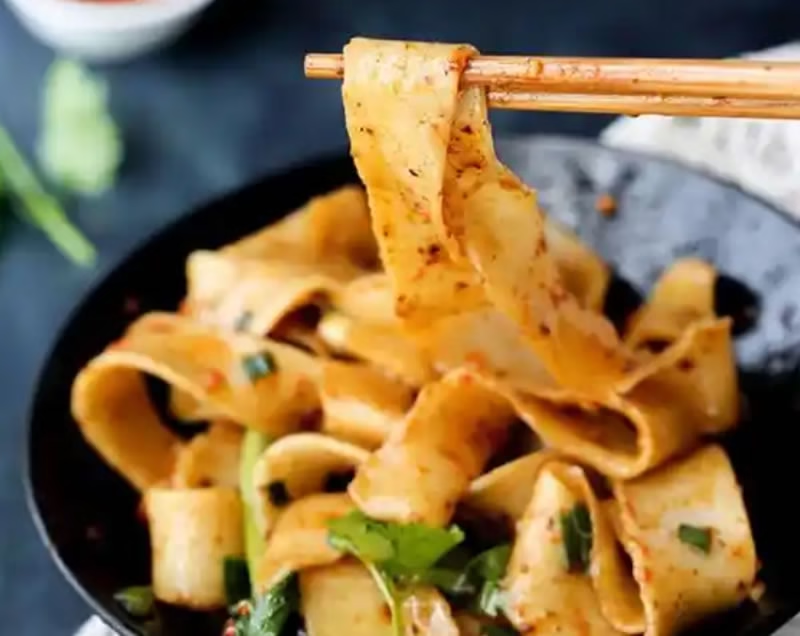
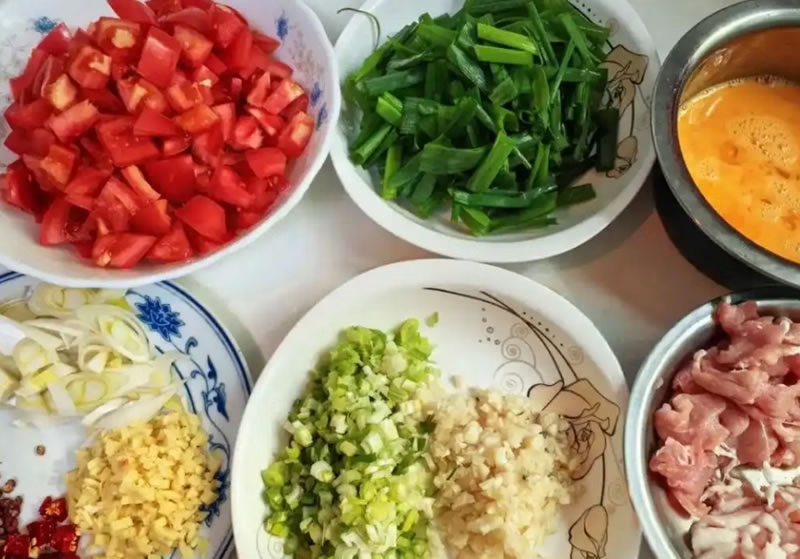
If you’ve ever wondered what gives biang biang noodles their unique appeal, you’re not alone. Many people ask: what are biang biang noodles made of? In short, these iconic Chinese noodles consist of a few essential components: flour, seasonings, and optional accessories that enhance their rich flavor and texture.
Main Ingredients
At the heart of biang biang noodles is high-quality flour, typically made from wheat grown in the Guanzhong area of Shaanxi province. This flour gives the noodles their signature chewiness and width.
Key Seasonings
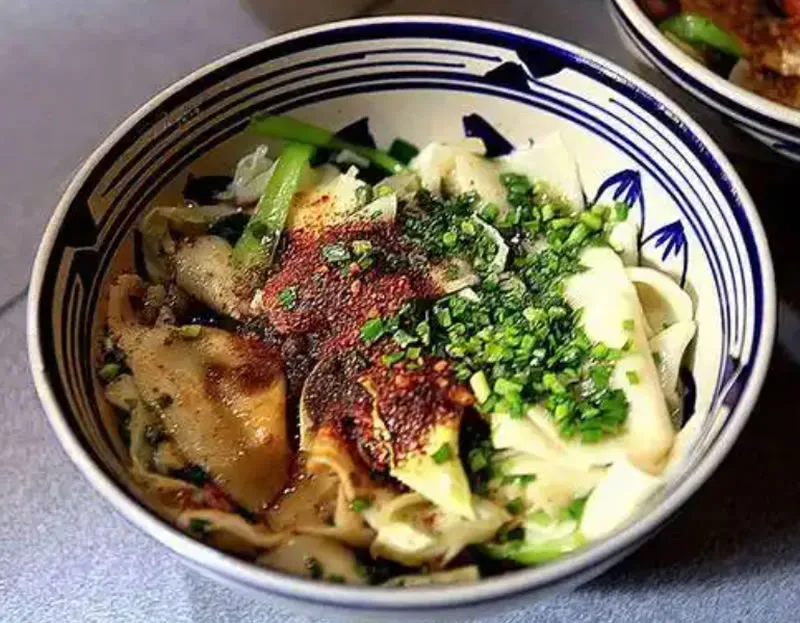
The distinctive taste of biang biang noodles comes from a blend of seasonings. Chili powder is crucial—it adds aroma and vibrant color when heated in oil. Other basics include soy sauce and vinegar, which form the foundation of the noodle soup, while salt, chicken essence, and five-spice powder contribute savory depth. Vegetable oil is used for the famous “oil splashing” step, which unlocks the fragrance of the spices.
Optional Toppings & Add-Ins
You can customize your biang biang noodles with various toppings. Popular choices include tomatoes, eggs, and pork, often stir-fried or made into a fried sauce. Vegetables like bok choy, mushrooms, and wood ear fungus can be blanched and added for extra freshness and crunch.
How Biang Biang Noodles Are Made
The process of making biang biang noodles involves mixing, resting, pulling, and finally splashing with hot oil. The dough is stretched by hand until wide and firm—and even slapped against the counter to produce the characteristic “biang biang” sound.
Here’s a step-by-step guide to making biang biang noodles at home:
Gather your ingredients: 500g flour, 5g salt, 260ml water, soybean sprouts, baby bok choy, garlic, scallions, canola oil, and additional salt.
In a mixing bowl, combine 500g of flour with 4g of salt. Gradually add 260ml of water and mix until a dough forms. Knead well, then cover and let it rest for about 3 minutes. Knead again until smooth.
Divide the dough into equal portions. Coat each with oil, cover, and let rest for at least 1–2 hours (similar to the method used for Xinjiang laghman noodles).
After resting, press each piece into a strip. Use a chopstick or rolling pin to make a shallow indent along the center.
Hold both ends of the strip and begin stretching. Gently slap the noodles against the counter—this “biang biang” sound is where the name comes from. Stretch carefully, then tear along the indented line to create two wide noodles. With practice, you can stretch them over half a meter long!
Bring a pot of water to a boil. Cook the noodles until they float, then add a cup of cold water. Once they rise again, remove the noodles. You can rinse them with cold water to stop the cooking process.
Blanch the bok choy and bean sprouts in the same boiling water until tender.
Lightly fry dried chili segments, then chop finely. Slice scallions into small pieces.
Prepare the sauce: In a bowl, combine soy sauce, vinegar, pepper, chili powder, chopped chili, and minced garlic. Place the cooked noodles in the bowl. Heat canola oil until smoking, then pour it over the seasonings. Top with scallions, mix well, and enjoy! For a simpler version, just use chili flakes and garlic—it’s still incredibly tasty and satisfying.