Everyone claims to love authentic Biang Biang noodles, but what do they actually taste like? Describing the flavor is key to understanding this beloved dish. The overall profile is wonderfully complex, blending refreshing, savory, tangy, and spicy notes into one unforgettable experience. Let’s break down exactly what makes the taste of authentic Biang Biang noodles so unique.
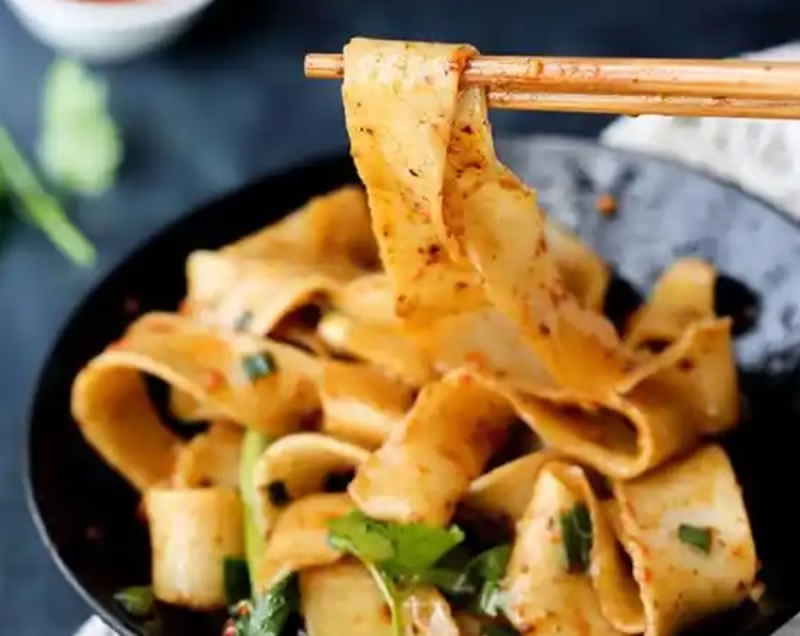
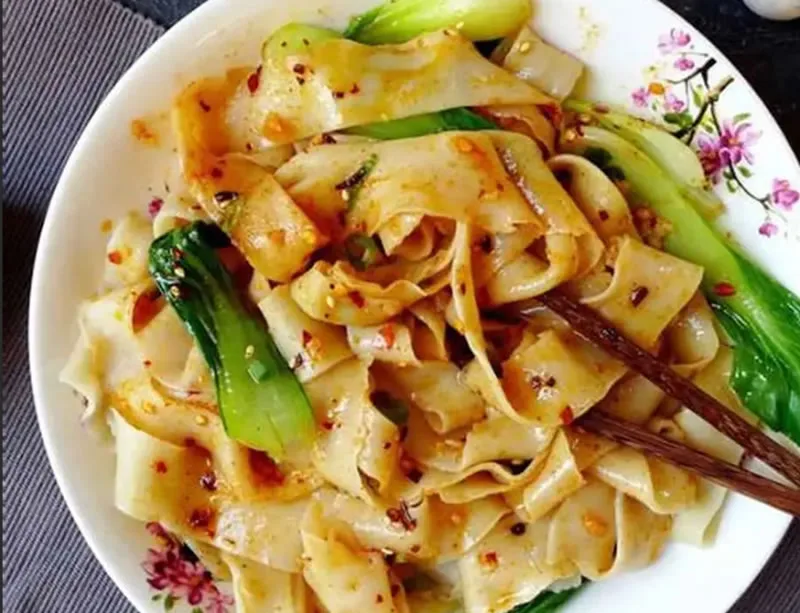
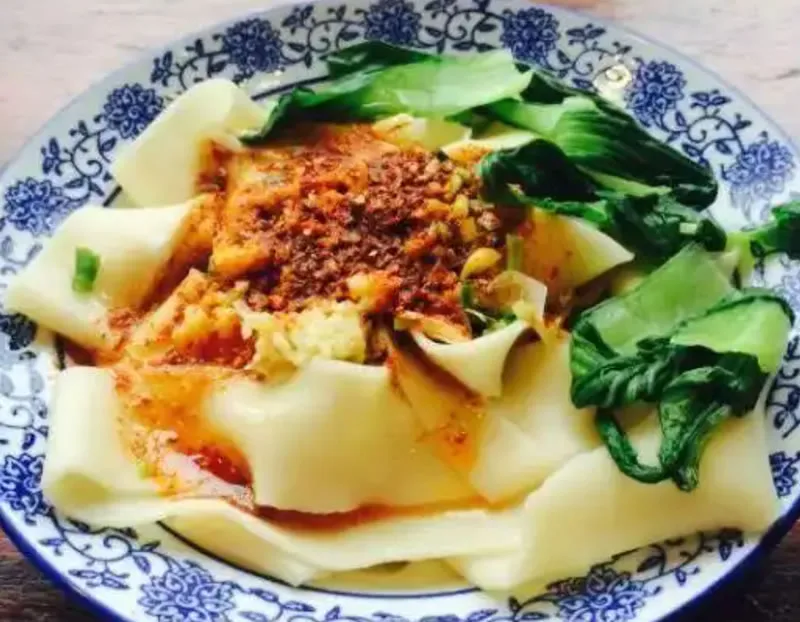
Primarily, authentic Biang Biang noodles are celebrated for a perfect balance of tangy and spicy flavors, complemented by deep savory and aromatic notes. The noodles themselves are chewy and smooth, serving as the perfect canvas for a bright red, fragrant, and spicy chili oil. They are typically topped with a savory meat sauce (臊子, sàozi), crisp bean sprouts, spinach, and other ingredients that create rich layers of both flavor and texture.

Deconstructing the Flavor of Biang Biang Noodles
So, what does authentic Biang Biang noodle taste like in detail? The answer lies in its components:
Tangy & Spicy: The signature heat comes from chili oil, often made from a blend of Qin pepper and line pepper, which provides a moderate, flavorful spice. The magic happens when sizzling hot oil is poured over the chili flakes, unleashing an intense aroma that mingles with the fragrance of fresh minced garlic and scallions.
Savory & Rich (Umami): The savory depth comes from the sàozi (minced meat topping). Typically made with diced pork belly and potatoes slow-cooked to perfection, it’s often enhanced with a splash of tangy Qishan vinegar. This process creates a rich, meaty flavor that coats the noodles beautifully.
Fresh & Refreshing: To balance the richness, accompaniments like mung bean sprouts, spinach, and chopped garlic sprouts are added. These elements cut through the oiliness and add a crisp, refreshing texture, ensuring each bite is well-rounded.
The Unique Texture Experience
The taste of authentic Biang Biang noodles is inseparable from their texture. Made from high-gluten flour, the noodles are famously wide and thick, resembling a belt. Even after boiling, they remain wonderfully chewy and resilient. When mixed thoroughly with the savory meat topping and the tangy-spicy sauce, each bite delivers a hearty wheat flavor combined with that signature málà (numbing and spicy) sensation.
What Is the Most Authentic Flavor Profile?
While different preparation methods can influence the final taste, if you’re wondering what the most authentic Biang Biang noodle tastes like, the consensus points toward a profile that is boldly spicy and deeply aromatic. The most distinctive feature is the broad, thick noodle itself, which is delightfully chewy and designed to carry the fragrant chili oil and toppings, resulting in a deeply satisfying taste.
Biang Biang Noodles vs. You Po Mian
It’s helpful to distinguish it from a similar dish, You Po Mian (oil-spilled noodles). Authentic Biang Biang noodles are often characterized by their springy texture and a potentially heartier broth or sauce, giving a rustic and generous feel. You Po Mian, in contrast, is defined by its glossy coating of oil and spices, creating a more direct, aromatic spice experience. While Biang Biang noodles offer a multi-layered experience through complex toppings, You Po Mian captivates with the pure, sizzling aroma of infused oil.
In short, if you’re seeking a noodle dish that is bold, spicy, savory, and texturally exciting, you can’t go wrong with authentic Biang Biang noodles.